Document Processing & Customs clearance
Overview
Via Charon offers the service of dealing completely with customs clearance, document submission and regulation conformity, understanding that the complexity of the process is often overwhelming . Under Via Charon all our customers need to do is let us handle the matter whilst being able to track the movement of the goods. Below is a process flow of what needs to be done for imports and exports if importing from the UK.
Get a Quote Today
Contact us by phone for more information.

Shipping routes worldwide
Ocean volume annually
After the contract between buyer and seller is formed:
After the Commercial Letter of Credit is produced:
After the Shipper’s Letter of Instruction or SLI is produced:
After the Commercial invoice is produced:
After the Bill of Lading is produced:
Potentially 24 hours before leaving port:
Container type
20" General Purpose
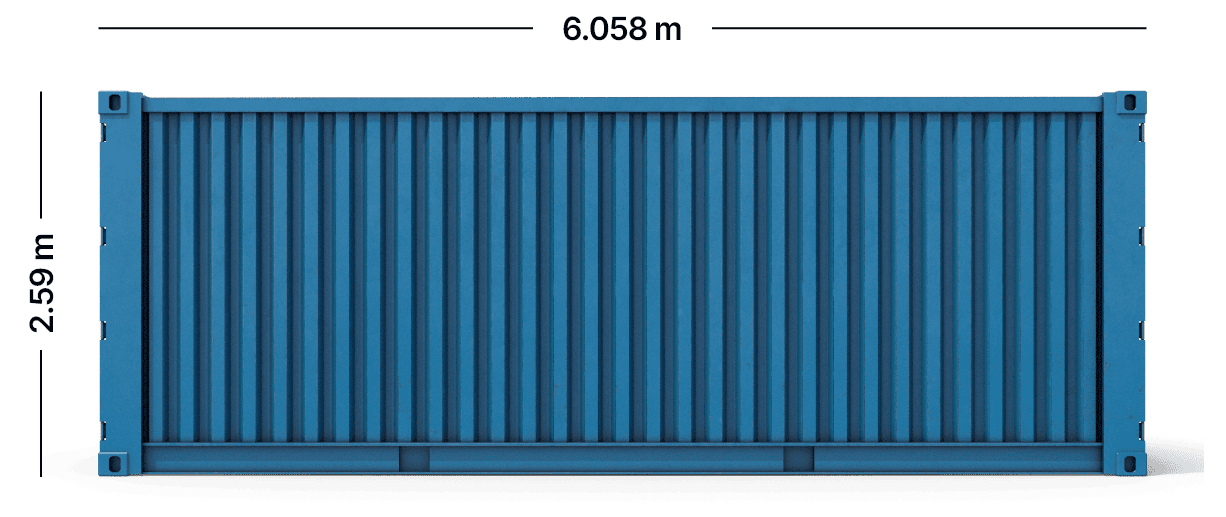
Specification Description
Cubic Capacity
33.2 m3
Max Payload
28,300 Kgs
Tare Weight
2,180 Kgs
Max Gross
30,480 Kgs
40" General Purpose
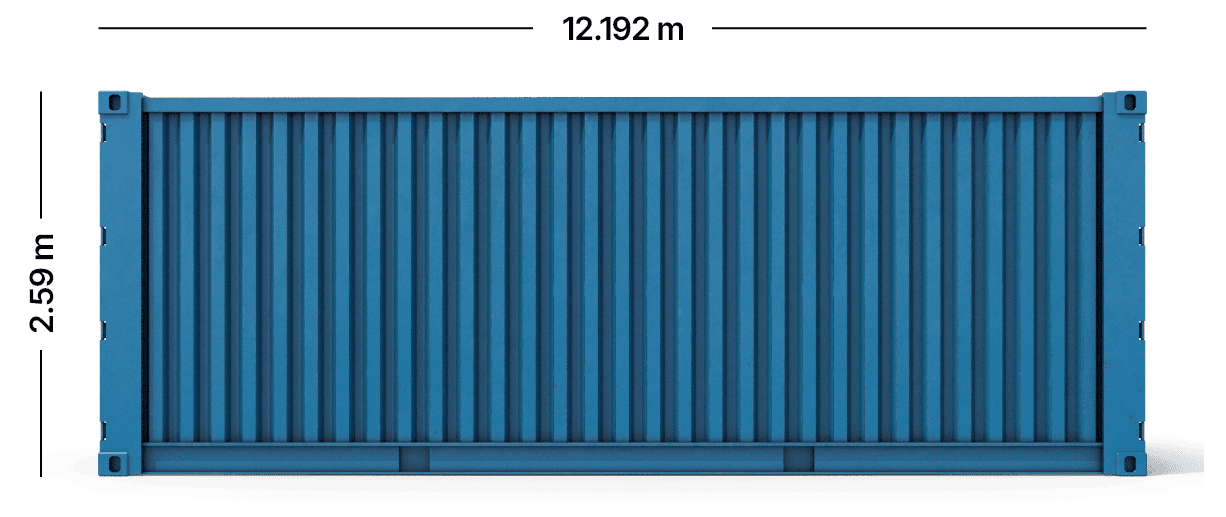
Specification Description
Cubic Capacity
67.7 m3
Max Payload
26,690 Kgs
Tare Weight
3,790 Kgs
Max Gross
30,480 Kgs
Frequently Asked Questions
This service manages a wide range of trade and shipping documents, including commercial invoices, packing lists, certificates of origin, transport documents, and customs declarations. All documentation is prepared and reviewed to meet regulatory and carrier requirements.
By ensuring that all documents are accurate, complete, and compliant with applicable regulations, the service reduces the likelihood of errors that commonly cause shipment holds or rejections. Proper preparation and validation support faster customs clearance and smoother cross border movement.
Yes, the service supports documentation and customs clearance requirements for both import and export shipments. It is designed to adapt to varying regulatory frameworks across different countries and trade lanes.
The service helps businesses stay aligned with customs regulations and trade requirements by reviewing documentation against current rules and standards. This proactive approach reduces compliance risk, minimizes penalties, and supports consistent adherence to international trade obligations.