
The Golden Thread of Silk:
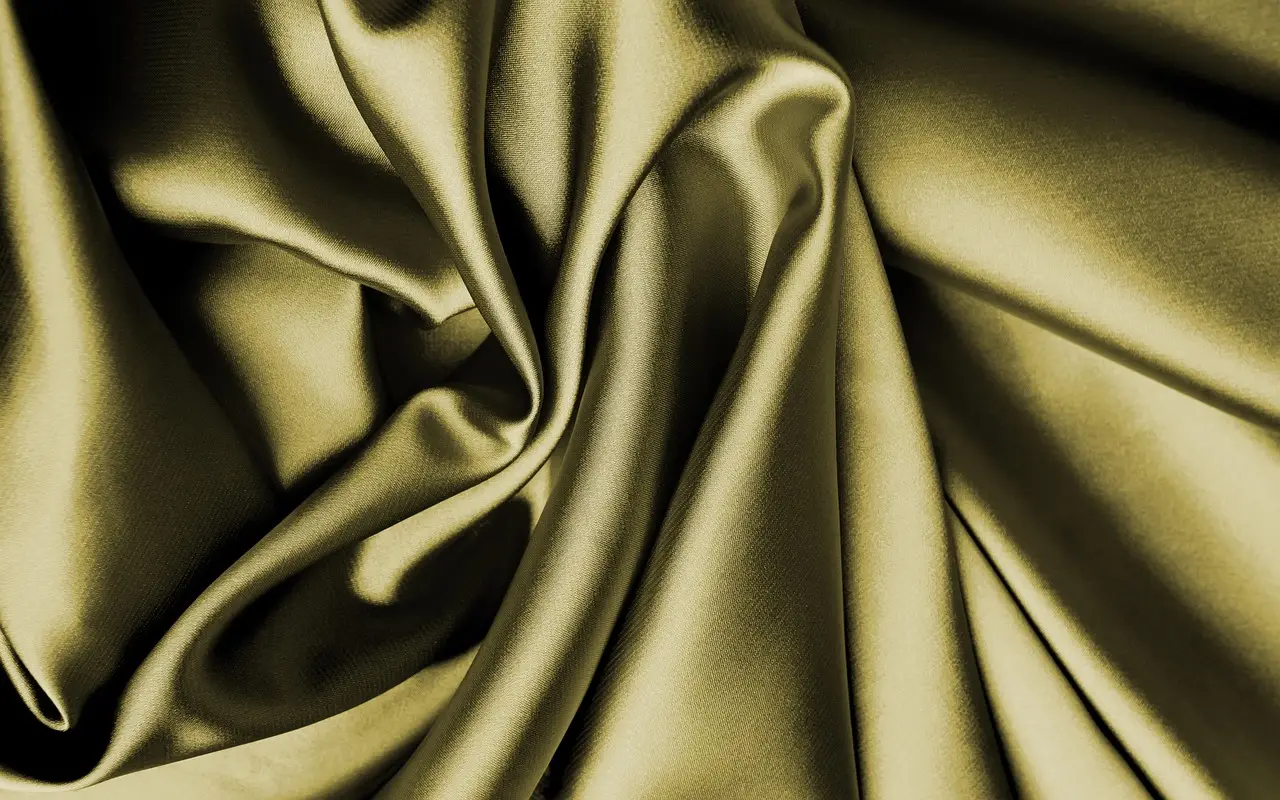
Let’s be honest: silk is the James Bond of the textile family. It’s sophisticated, incredibly strong, looks stunning in a tuxedo (or an evening gown), and has a mysterious origin story involving a secret that was kept for millennia. Unlike your casual cotton t-shirt or the woolly jumper that itches your neck, silk carries an air of exclusivity. It’s the fabric draped on royalty, wrapped around the finest gifts, and now, it’s even making its way into aerospace engineering. Yes, you read that right—aerospace.
At Via Charon, we navigate the complex world of global trade so you don’t have to get lost in it. Whether you’re looking to source the finest raw filaments or ship finished products, understanding the journey of silk is key to mastering its market. So, grab a cup of tea (preferably in a fine china cup), and let’s unravel the long and fascinating thread of the silk trade.
What is Silk? A Textile Aristocrat
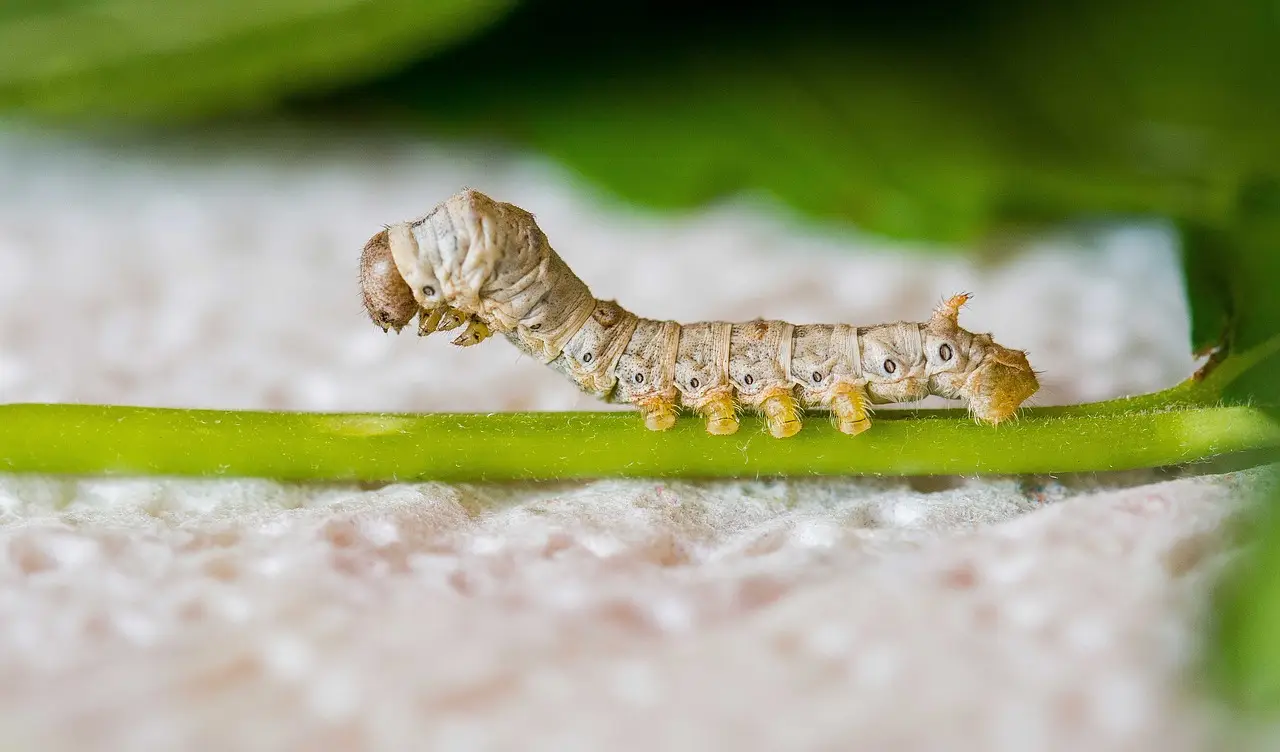
In the grand family tree of textiles, fibres are generally split into two camps: natural and man-made. Silk sits squarely in the natural camp, but it’s in a league of its own. While cotton comes from a plant and wool from an animal, silk is a protein fibre spun by an insect—specifically, the silkworm .
Technically, silk is known as the only natural “continuous filament” fibre. Unlike cotton, which is made of short, staple fibres that need to be twisted together, a single silk thread from one cocoon can be over a mile long . This unique structure gives it that legendary sheen, strength, and the ability to dye into colours so vibrant they look wet. It’s often blended with other fibres to add a touch of class to everything from linen to synthetics, but in its pure form, silk is the textile equivalent of a handshake made of pure confidence.
How Silk is Made?
The process of making silk, known as sericulture, is not for the faint of heart. It’s a labour-intensive process that requires patience, precision, and a whole lot of mulberry leaves.
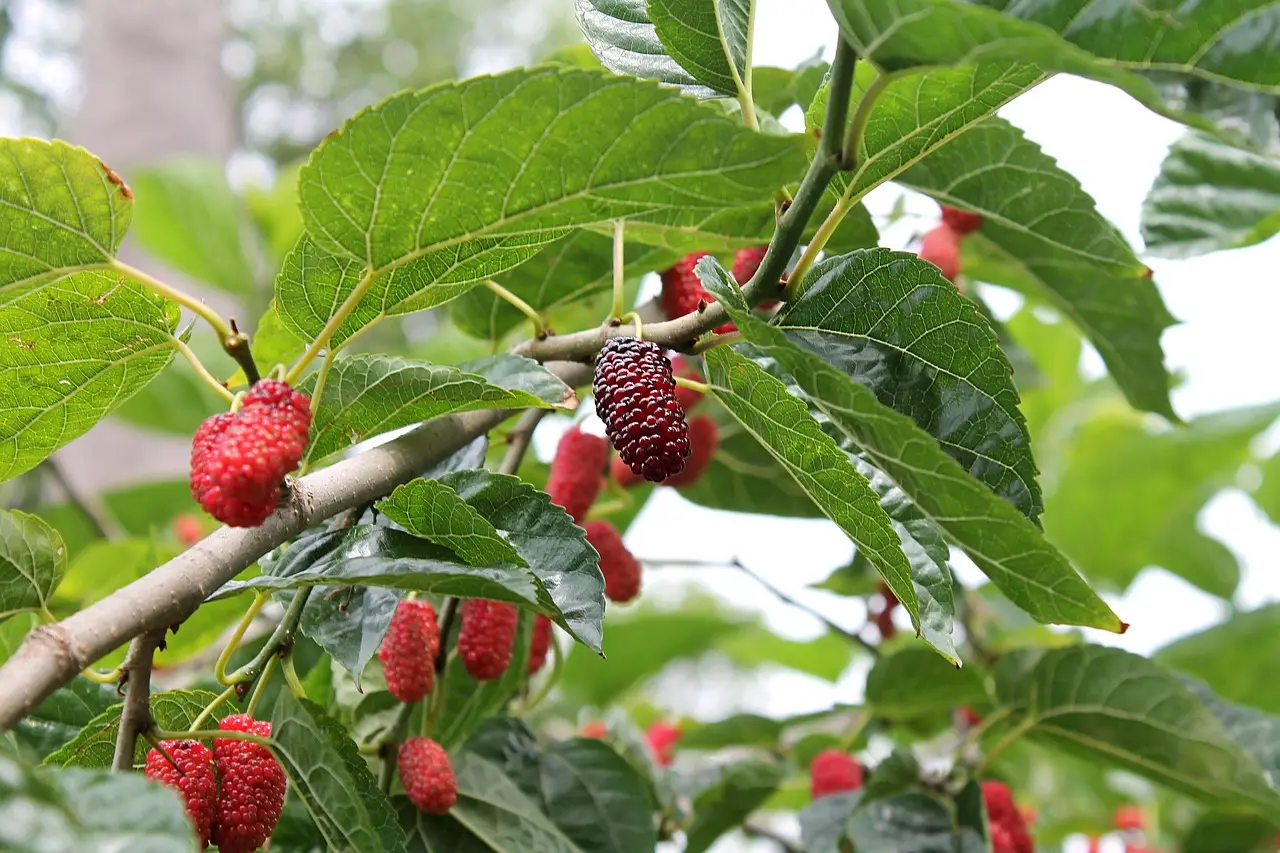
It all starts with a tiny egg, no bigger than a pinhead. Out hatches a larva—the silkworm. For just over a month, these little guys do exactly two things: eat and grow. They munch on mulberry leaves constantly, increasing their body mass by a factor of ten thousand. They are, essentially, living pasta machines with one goal: to produce silk .
When the time is right, the silkworm finds a spot and begins to spin its masterpiece. It secretes a protein-like liquid from two glands that hardens upon contact with the air. It swings its head in a figure-eight pattern, wrapping itself in a single, unbroken strand of what will become raw silk . This process takes about two or three days, resulting in a cocoon made of a single filament approximately 1,000 yards long .
Here’s where it gets serious. To obtain this filament, the cocoons are sorted and subjected to a process called “stifling.” The pupae inside are killed—usually by heat—to prevent them from breaking the cocoon as they emerge. If a moth chews its way out, it cuts the long filament into short pieces, ruining it for high-quality silk production .
The cocoons are then boiled or steamed to soften the natural gum (sericin) holding the filament together. Workers or machines gently brush the cocoon to find the end of the filament, which is then unwound onto a reel. This process is called reeling. Because one filament is too fine to use alone, several filaments (usually 4 to 8) are reeled together to form a single strand of “raw silk” . It takes about 2,500 silkworms to produce just one pound of raw silk. Suddenly, that price tag on a silk shirt makes a lot more sense, doesn’t it?
What are the different types of silk?
Just as there’s more to wine than “red or white,” there’s a whole world beyond the standard “silk” label. The type of silkworm and its diet dictate the final product’s texture, colour, and durability .
- Mulberry Silk (The Superstar): This accounts for over 90% of the world’s silk production . The silkworms are fed exclusively mulberry leaves, resulting in a fibre that is pure white, exceptionally soft, and uniformly smooth. If you’re buying luxury sheets or a high-end scarf, you’re likely buying Mulberry silk. It’s the industry standard for quality .
- Tasar Silk (The Earthy One): Often called “wild silk,” Tasar is produced by worms that feed on oak and arjun trees in the forests of India and parts of Asia. It has a richer, coarser texture and a natural golden or coppery colour. It’s stronger than mulberry silk but lacks its high-gloss sheen, making it perfect for furnishings and heavier garments .
- Eri Silk (The Peacekeeper): Eri silk is also known as “Peace Silk.” Why? Because the moth is allowed to emerge from the cocoon before the silk is harvested . This breaks the filament into shorter staples, which are then spun like cotton or wool, rather than reeled. The result is a fabric with a warm, woolly, matte finish. It’s the go-to for the ethically conscious consumer .
- Muga Silk (The Golden Child): Exclusive to the state of Assam in India, Muga silk is the royalty of the family. It has a natural, shimmering golden lustre that actually gets brighter with every wash. It’s incredibly durable and often reserved for heirloom pieces and ceremonial garments. If silk had a crown jewel, this would be it .
What are the different grades of silk? Which silk is highest quality?
When sourcing silk, you’ll hear a lot of jargon, but one of the most important metrics is the Grade. This usually refers to the quality of the raw silk filament, particularly in Mulberry silk.
In many trading countries, silk is graded on a system from A to 6A, with 6A being the highest quality. This grade is determined by several factors:
- Filament Uniformity: How consistent the thickness of the thread is. 6A silk is perfectly even, ensuring a smooth fabric texture .
- Neatness and Cleanliness: The absence of tiny defects, bumps, or “hairiness” on the filament. High-grade silk is pristine .
- Tensile Strength: The force required to break the filament. Top-grade silk is deceptively strong .
- Elongation: The ability to stretch and return to its original shape.
For buyers, a higher grade (like 6A) means less waste during weaving, a superior finish on the final product, and a fabric that will stand the test of time. When you see a supplier boasting about “6A Mulberry silk,” they are telling you they have the best of the best .
Beyond the filament grade, fabric weight is measured in momme (mm) . Think of this as the “thread count” for silk. A lower momme (like 12mm) is lightweight, airy, and perfect for scarves. A higher momme (19mm to 25mm) is heavier, more durable, and the standard for luxury bedding. If someone tries to sell you “silk sheets” that feel flimsy, check the momme weight—you’ll likely find it’s on the lighter, cheaper side .
What are the uses of Silk?

Silk is the ultimate multi-hyphenate. It’s a material that can be a delicate lingerie set one day and a component in a surgical suture the next.
Fashion and Interiors: This is silk’s home turf. From Charmeuse evening gowns that glide across the floor to Organza wedding dresses that hold their shape like a dream, silk is irreplaceable . In the home, it’s the go-to for luxury bedding (it’s naturally hypoallergenic and regulates temperature better than most synthetics), opulent curtains, and upholstery that screams “I have arrived” .
Industrial and Medical Marvels: Here is where silk gets its geek on. Thanks to its unique protein structure, strength, and biocompatibility, silk is a star in the lab.
- Medical: Silk is used in high-end surgical sutures because it’s strong and doesn’t cause inflammation. Researchers are now using silk fibroin to create scaffolds for tissue engineering—helping to regrow bones, ligaments, and even nerves .
- Aerospace: Yes, really. Because of its incredible strength-to-weight ratio (it’s as strong as Kevlar, the stuff in bulletproof vests), engineers are experimenting with silk-based composites for lightweight aircraft components and avionics. It’s also being studied for its vibration-dampening properties. Who knew that a silkworm could help build a better airplane?
How is Silk traded globally?
The Global Silk Road 2.0: Trade and Tariffs
The Silk Road might be ancient history, but the trade routes for silk are busier than ever. The modern silk trade is a fascinating dance of supply and demand, dominated by a few key players .
According to recent trade data, the major players in the silk game are well-defined .
Who Exports the Most?
- China is still the undisputed heavyweight champion of the world, not just in growing silk but in manufacturing it into fabrics and goods. The heartlands of production are in the Jiangsu and Zhejiang provinces, home to cities like Suzhou and Huzhou, where centuries-old expertise meets high-tech weaving .
- India is the number two producer and a massive exporter of finished products, especially to the US and Europe .
- Turkey and Italy are crucial players, with Italy being the gateway for high-end fashion houses that take raw silk and turn it into €5,000 dresses.
Where Do the UK and US Get Their Silk?
- United States: The US is a massive importer. In 2025, the top sources for silk finished products were China, India, and the EU (which acts as a re-exporter of high-end goods). While US exports are dropping, imports of finished goods remain robust, showing that Americans love their silk, they just don’t make it there .
- United Kingdom: The UK market is similarly dependent on imports. The top sources are China, India, and Turkey. The UK acts as a major consumer hub, importing billions of dollars worth of silk products annually to feed its fashion and luxury goods sectors .
What to look out for when shipping Silk
Compliance and Regulations around Silk
Importing silk isn’t as simple as wrapping a bolt of fabric in a parcel and hoping for the best. There are rules, regulations, and taxes galore.
Goods are classified using HS Codes (Harmonised System codes). For example, “Other woven fabrics of silk” might fall under HS Code 5007909000, while silk bedding might fall under 9404903000 . Getting this code right is vital because it determines your tariff.
Tariffs vary by country. The US and UK generally have low to moderate tariffs on silk to support their textile industries, but they are subject to change based on trade agreements. The EU, for instance, had a Most-Favored-Nation (MFN) rate of around 8% for certain silk fabrics in 2025 .
Anti-dumping duties are the bogeyman of international trade. These are tariffs imposed on imports that a country believes are priced below fair market value (often subsidized by the exporting country’s government). While historically more common in industries like steel or chemicals, silk importers must stay vigilant, as trade wars can escalate and suddenly make silk blouses 50% more expensive overnight.
Standards compliance is non-negotiable. If you’re importing into the US or UK, you need to ensure your goods meet safety standards. For apparel, this often means certifications like OEKO-TEX Standard 100, which guarantees the fabric is free from harmful substances . If you skip this, your shipment could be detained at customs, and no one wants their luxury goods stuck in a warehouse in Felixstowe.
What is the complete supply chain for Silk?
The journey of the silkworm
The supply chain for silk is a long and delicate process, often referred to as “from cocoon to couture.”
- Upstream (Raw Material): It all starts with the farmers and the cocoons. This stage is highly fragmented, with millions of smallholder farmers, particularly in China and India, raising silkworms .
- Midstream (Processing): The cocoons are sold to reeling units, where they are turned into raw silk yarn. This yarn is then sold to weaving and knitting mills. In major hubs like Suzhou, these mills are highly sophisticated, offering digital printing, custom dyeing, and finishing services . This is where the raw fibre becomes fabric.
- Downstream (Manufacturing & Retail): The finished fabric is shipped to garment factories (often in Vietnam, Bangladesh, or back in China) to be cut and sewn into clothing or shipped directly to home textile manufacturers to be made into duvet covers and pillowcases. Finally, it lands on a shop shelf or an e-commerce warehouse, ready for the end consumer .
The weakest link in this chain is often the “seconds.” A poor-quality silk product usually results from rushing the degumming process (which leaves the fabric stiff), using low-grade short-fibre silk that pills, or uneven dyeing due to poor filament quality. Great silk comes from vertical integration—suppliers who control the process from cocoon selection to final finishing, ensuring consistent quality and traceability .
How Via Charon Can supply, ship and support your Silk trade

Navigating this luxurious but labyrinthine market is our specialty at Via Charon. We are the logistics partners who ensure your golden thread doesn’t get tangled.
- Sourcing & Supplier Verification: Don’t get lost in translation. We help you find genuine 6A Mulberry silk suppliers in China or Eri silk cooperatives in India, vetting them for quality and compliance so you don’t end up paying a premium for polyester .
- Customs Brokerage & Compliance: Whether it’s classifying your goods under the correct HS code or ensuring you have the right OEKO-TEX certification, we handle the paperwork. We keep track of the ever-changing tariffs and anti-dumping duties so your shipment doesn’t face unexpected delays or costs.
- Supply Chain Management: From the moment the cocoons are reeled to the final delivery at your warehouse, we manage the logistics. We understand the nuances of shipping delicate fabrics—whether by sea freight to save costs or air freight to hit a fast-fashion deadline.
- Duty Drawback: This is a big one, and it puts money back in your pocket. If you import silk materials and then later export finished products (or if goods are damaged, etc.), you may be eligible for a duty drawback—a refund of up to 99% of the customs duties paid. Via Charon’s trade experts can help you navigate the complex paperwork to claim these refunds, ensuring you’re not leaving cash on the table.
Conclusion
Silk is more than just a fabric; it’s a story. A story of nature, craftsmanship, global trade, and human ingenuity. It’s a product that commands respect, demands quality, and rewards those who understand its value. Whether you’re a fashion startup looking for the perfect charmeuse or an established brand sourcing industrial silk, the journey is complex, but the destination is beautiful.
And if you need a guide for that journey, you know where to find us. Contact Via Charon today to see how we can help you import, export, and save.