
From Magma to Masterpiece, and How Via Charon Brings It All Together
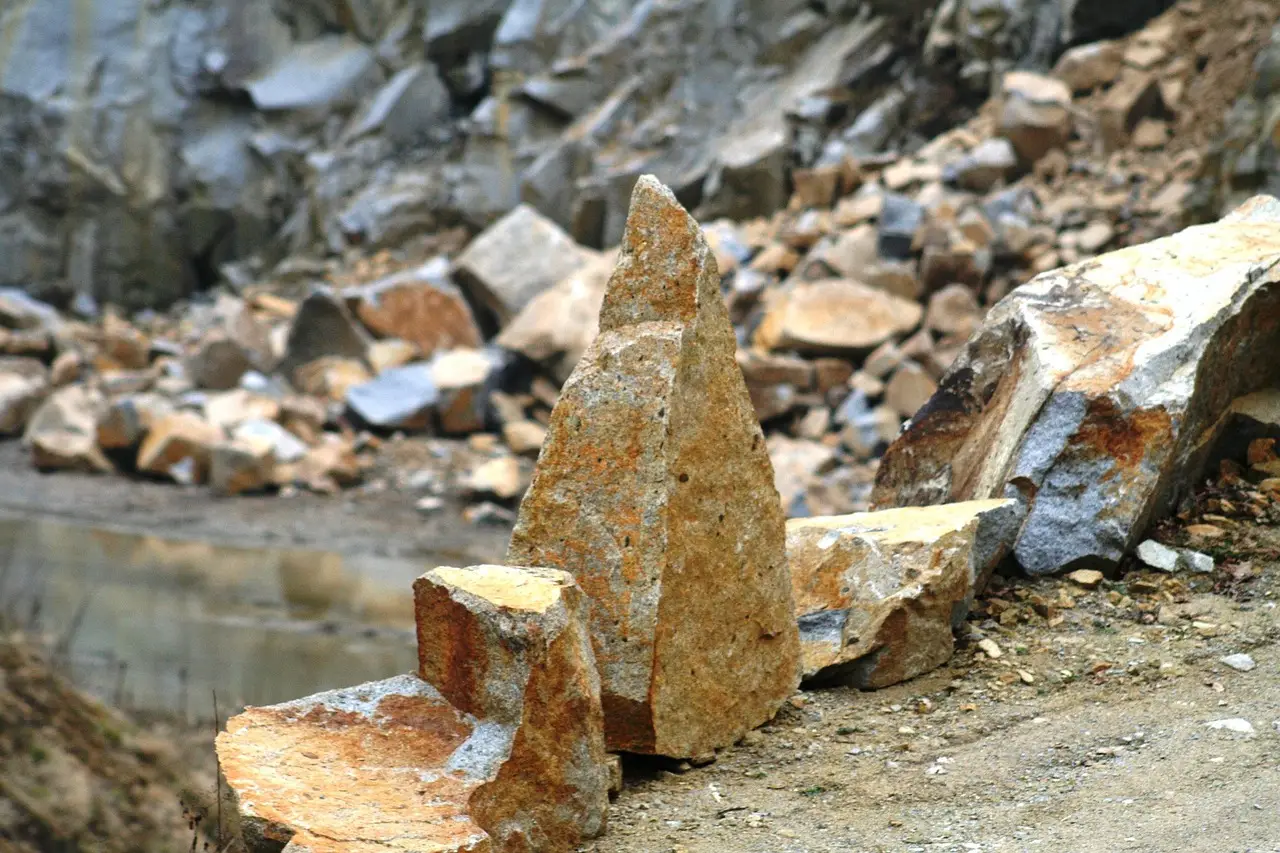
Hello, and welcome to the fascinating world of granite! If you’re reading this, you’re likely not a geology professor (unless they’re secretly planning a career change to international trade, in which case, welcome, Professor!). You’re probably someone who sees granite not just as a pretty rock, but as a product—a cornerstone of kitchens, a symbol of durability, and potentially, a very healthy line on your balance sheet.
But here’s the thing about this particular rock star: getting it from the heart of a mountain to a showroom floor in Manchester or Miami is a journey filled with logistical puzzles, customs codes, and the occasional shipping headache. That’s where we, at Via Charon, come in.
We don’t just move stone; we move solutions. At Via Charon, we specialise in turning the complex journey of natural stone into a smooth, profitable operation. From the fiery depths of the Earth to the serene elegance of your client’s countertop, we ensure the supply chain is as solid as the product itself. Think of us as your personal granite guardians.
So, grab a cup of coffee (perhaps on a granite countertop?) and let’s dig into everything you need to know about selling this magnificent material.
What is Granite?
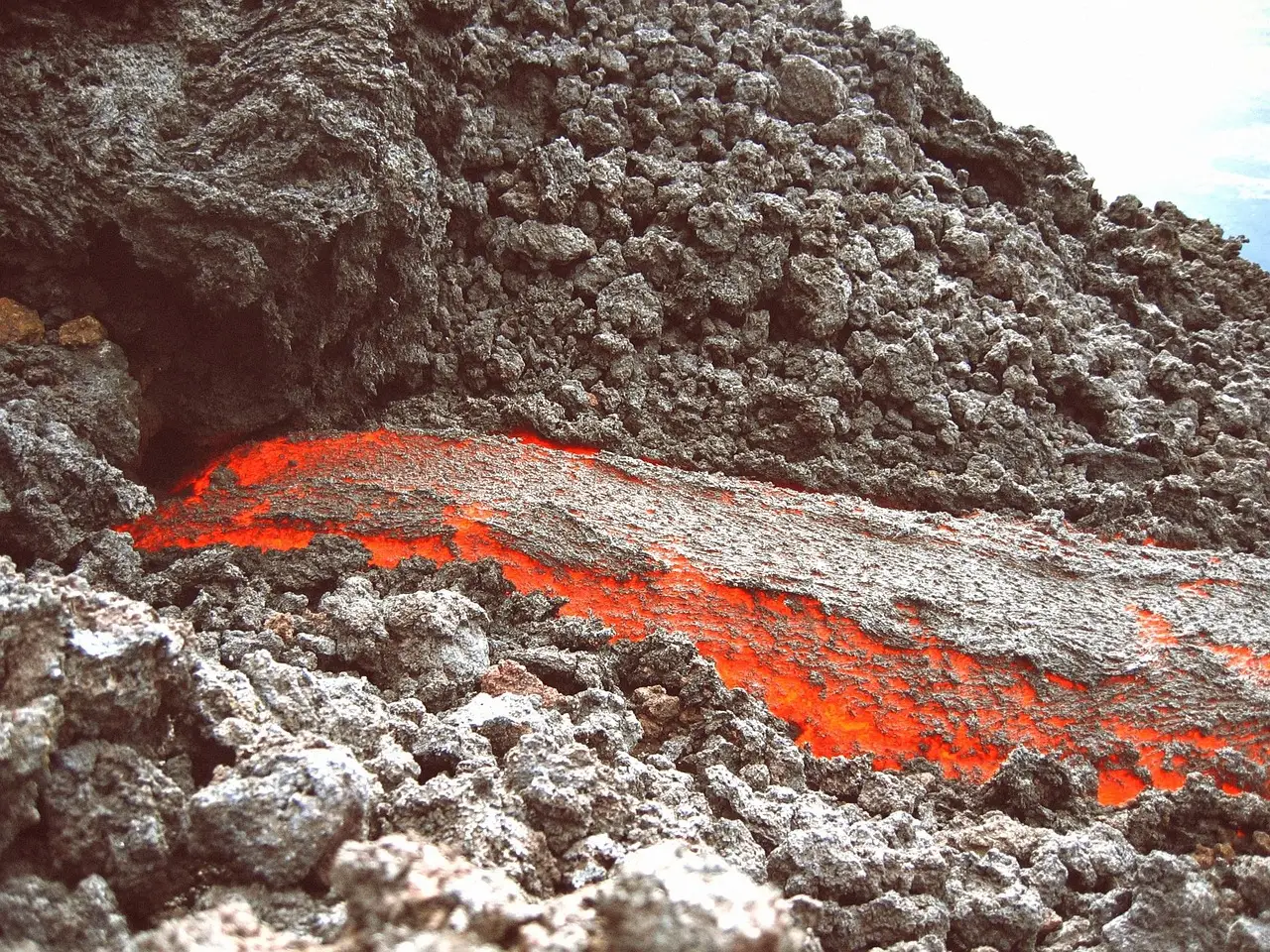
Before we start talking about shipping containers and tariffs, let’s appreciate the star of the show. Granite is an igneous rock, which is a fancy way of saying it was born in fire. It’s the strong, silent type of the rock world.
To understand its family tree, imagine the Earth’s crust as a multi-generational household:
- Igneous rocks are the newborns, formed from cooled magma or lava. Granite is the classic example—cooled slowly deep underground, allowing large, beautiful mineral crystals to form.
- Sedimentary rocks (like limestone or sandstone) are the middle children, formed from layers of sand, shells, and pebbles compressed over time.
- Metamorphic rocks (like marble or slate) are the rocks that have been through a life-changing event, transformed by intense heat and pressure.
Granite sits proudly in the igneous camp. Its signature “sparkle” comes from its three main mineral ingredients:
- Feldspar: Usually white or pink, this is the foundation.
- Quartz: The glassy, grey crystals that give granite its hardness.
- Mica: The flaky, black or silvery mineral that shimmers in the light.
This mineral mix is what makes granite incredibly hard, durable, and resistant to heat and scratches—perfect for a kitchen that sees a lot of action.
How is Granite produced?
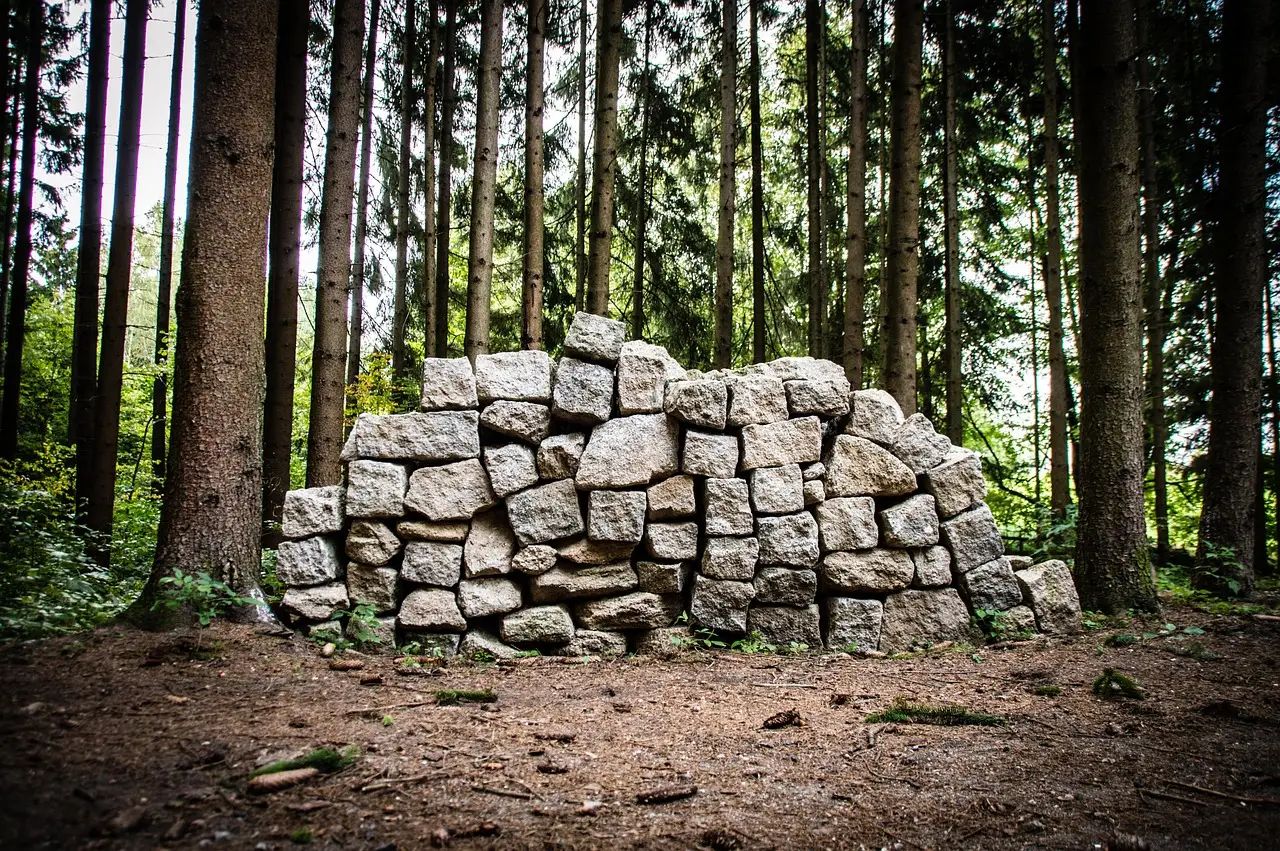
The story of every granite slab begins in the same place: magma. Deep within the Earth, this molten, mineral-rich liquid slowly cools over millions of years. As it cools, minerals crystallise, interlocking to form the dense, speckled rock we know.
Step 1: The Extraction (Finding the Perfect Slab)
Fast forward a few million years. Now, granite is found in massive quarries, primarily in mountainous regions. This isn’t a delicate process. Extracting granite involves drilling, diamond-wire saws, and controlled explosions to separate giant blocks from the earth. These blocks can weigh as much as a small car—20 to 40 tons! Imagine trying to parallel park that.
Step 2: Refining and Fabrication (The Beauty Treatment)
Once a block is extracted, it’s sent to a processing facility. This is where the magic happens. The rough block is sliced into slabs using massive gangsaws with diamond-tipped blades. It’s a slow, water-cooled process that can take days to cut through a single block.
These raw slabs are then:
- Resin-treated: Many slabs, especially lighter colours, have a resin applied to fill any natural micro-fissures and enhance the colour. This is then baked on.
- Polished: The slab is run through grinding and polishing machines, transforming its rough surface into a mirror-like, glossy finish that reveals the full beauty of the minerals. Honed, leathered, and flamed finishes are also popular options.
- Fabricated: Finally, the slab is cut to size for specific projects, with edges shaped and sink holes cut.
Step 3: Production for Use (The Final Form)
This is where it becomes a product. From a finished slab, granite is used for:
- Architectural Wonders: Kitchen countertops, bathroom vanities, fireplace surrounds, flooring tiles.
- Monumental Masonry: Headstones, statues, and memorials.
- Urban Infrastructure: Curbstones, paving stones, and building cladding.
- Industrial Applications: Believe it or not, granite’s stability makes it ideal for surface plates in精密测量实验室 and even for some machinery bases.
What are the different types of Granite?
Not all granite is created equal. For a sales product, understanding the differences is key. While not a strict scientific classification, the industry groups granite by colour and pattern, which often dictates its grade.
- The “Basic” Granites: Think “Salt and Pepper”—the classic grey and white speckled look. These are the most common, widely available, and usually the most affordable. They come from large, consistent deposits.
- The Mid-Range Beauties: This includes tan, brown, and light beige granites, often with more movement and veining. They are a step up in visual interest and price.
- The Exotic “Statement” Pieces: Here we find the blues, deep greens, and vibrant reds. Think of stones like Blue Bahia or Alaska White. These are rarer, often come from a single quarry in a specific part of the world, and command the highest prices. Their unique mineral composition creates stunning, one-of-a-kind patterns.
What makes a great or bad Granite product?
A great granite product starts at the quarry. It’s a block with consistent colour, minimal natural flaws (like cracks or “fissures”), and a uniform crystal structure. During fabrication, great care is taken in polishing and resin application to ensure a flawless, durable surface.
A poor granite product might come from a lower-quality block that is structurally weaker. During production, shortcuts can be taken—using low-quality resin, poor polishing, or even “back-painting” (painting the underside to hide imperfections). This can lead to a product that stains easily, cracks under stress, or looks dull over time. As a supplier, knowing the source and the fabricator is everything. And that’s a gap Via Charon bridges perfectly.
How is Granite traded Globally?
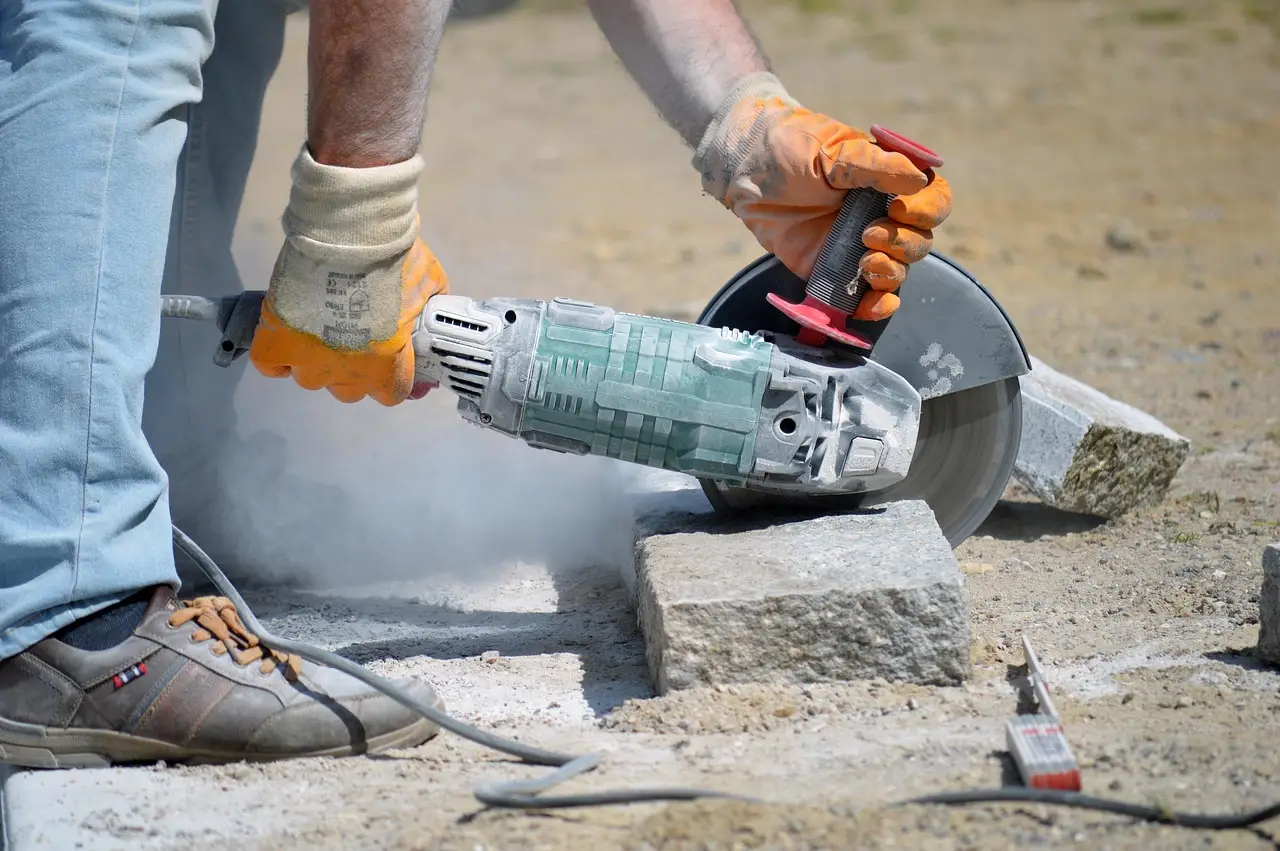
The granite trade is a global one, with stone often travelling thousands of miles from quarry to construction site.
- Top Exporters: The heavyweight champions are China, India, Brazil, and Italy. China and India are the giants for basic and mid-range material, while Brazil is famous for its exotic, colourful stones. Italy, while also a producer, is arguably more famous for its processing technology and as a historic trading hub for high-end stone.
- Top Importers: The United States is the world’s largest importer of granite, followed by major European economies like Germany, and of course, the UK.
Where do the UK and US get most of their granite?
- United States: The vast majority of dimensional granite (for construction) comes from China, Brazil, and India. China, in particular, dominates the market for finished and semi-finished granite products.
- United Kingdom: The UK’s imports are heavily influenced by its historic trade ties and proximity. India is a leading supplier, along with China, Italy, and other European nations like Portugal and Spain.
This global web means navigating different trade agreements, customs procedures, and shipping lines. One wrong document can leave a container full of expensive stone sitting at port, accruing charges.
Compliance and Regulations around Granite
This is where selling granite gets less glamorous but absolutely critical. International stone trade is subject to a host of regulations.
- Anti-Dumping Duties: These are protectionist tariffs imposed by a country on imports they believe are being sold below fair market value. For example, the US has, at various times, imposed anti-dumping duties on granite products from China. This means if you’re importing Chinese granite into the US, you could face a significant extra cost. Knowing the current Harmonized System (HS) code and applicable duties for your specific product is non-negotiable.
- Customs Regulations and Standards: Every country has rules. Granite might need to be inspected for certain materials, or comply with specific health and safety standards (e.g., radiation levels, though this is more common for some other stones). The paperwork—from the bill of lading to the packing list and certificate of origin—must be impeccable.
What is the complete supply chain of Granite
The Supply Chain Tango: The journey of a granite order looks like this. We use Brazil as an example:
- Quarry in, say, Brazil.
- Processing Facility in Brazil (or sometimes shipped as blocks to China for cutting).
- Port of Loading in Brazil.
- Ocean Freight across the Atlantic.
- Port of Discharge in, say, Southampton or Savannah.
- Customs Clearance.
- Inland Transport to a distributor or fabricator.
- Fabrication Shop for final cutting.
- Installation at the client’s home.
A disruption at any one of these points—a “blank sailing” (cancelled ship), a port strike, a customs hold-up—can delay the entire project and blow the budget.
How Via Charon Delivers Granite for you

Feeling the weight of all that? You don’t have to. This is precisely why Via Charon exists. We turn this logistical puzzle into a seamless process.
When you source granite through Via Charon, you’re not just buying stone; you’re buying peace of mind. We handle the heavy lifting so you can focus on selling. From the moment a block is selected in an Indian quarry to the moment a polished slab arrives at your workshop, we are there.
We take the “dump” out of anti-dumping and the “duty” out of… well, duty.
Navigating the complex world of customs is our specialty. We can help you explore opportunities for receiving duty drawbacks—getting refunds on duties paid for goods that are later exported. This can represent significant savings. Our deep understanding of customs regulations means your documentation is processed accurately and efficiently, preventing costly delays. We ensure full compliance with all standards, so you never get an unwelcome surprise from a customs officer.
The Future is Smart: How Via Charon Uses AI to Move Your Stone
The shipping world has been volatile. Since the COVID-19 pandemic and subsequent global events, we’ve seen massive spikes in “blank sailings” and freight rates. The old ways of simply booking a container aren’t enough.
At Via Charon, we use cutting-edge technology to stay ahead. We constantly monitor indices like the Shanghai Containerized Freight Index (SCFI) to understand market dynamics. But our real superpower is how we tackle the Liner Shipping Fleet Repositioning Problem (LSFRP) .
This is the logistical headache of moving empty containers to where they’re needed. It’s inefficient and costly, and these costs are often passed down to the importer. We solve this by using simulated annealing algorithms—a type of advanced AI—to develop creative repositioning solutions. As detailed on our Shipping Streamlining and Market Solutions page, this allows us to optimise routes, consolidate cargo, and find cost-effective paths that others miss. It might mean your granite takes a slightly different route, but it will save you significant costs, making your business more resilient and profitable.
Our solutions are bespoke. Whether you need a Full Container Load (FCL) of exotic blue granite or a Less than Container Load (LCL) for a smaller project, we design a strategy that fits you. Our global positioning allows us to foresee disruptions like port congestion and reroute shipments proactively.
The Via Charon Difference
In the granite business, your reputation is built on delivering a perfect, durable product. Our reputation at Via Charon is built on delivering a perfect, worry-free process.
We are your single point of contact in a fragmented world. We are the geologists, the logistics experts, the customs brokers, and the tech innovators, all rolled into one. We ensure that the incredible journey of your granite—from its molten beginnings to its final, polished glory—is a success story.
So, whether you’re looking to source the purest “Salt and Pepper” or the most dazzling “Blue Bahia,” partner with the team that knows the terrain.
Contact Via Charon today. Let’s move mountains, together.