
FX insight and coverage and data-driven consultation
Overview
Foreign exchange plays a critical part in international trade, impacting the profitability and competitiveness of importing goods across borders. Currency values are constantly shaped by economic conditions, policy decisions and the overall bullishness of the global market.
For the most part FX values reflect the economic strength of a country in relation to another, but often, such as with the example of the U.S with the 1985 Plaza Accord which was a joint agreement between U.S, Japan and three other nations for the U.S. dollar to depreciate in relation to the Yen, it is simply a strategic formalized multilateral agreement for countries to fix relative exchange rates in order to increase export competitiveness, boost domestic production and fix trade imbalances which was the case of the U.S in this situation. Whether under agreed controlled conditions or due to uncontrolled economic movements there are multiple variables that impact FX rates.
Interests Rate
When a country raises its interest rates it often attracts more foreign investment because there are higher yields on business investments as well as on owned financial assets like bonds.This increases demand for the currency and often leads to the value rising in accord with the demand.
Inflation levels
Countries that have quite stable and low-level inflation tend to have appreciating currencies, but the purchasing power which measures currency value in relation to purchasable goods, remains strong. High inflation results in a loss of confidence in the currency.
Trade Balances
When a country exports more than it imports its currency ears highs demand. This creates higher inflows of foreign currencies, but the high demand for the domestic currency results in the appreciation of the currency. Therefore, countries that import a lot do not have a high demand for their currency, so they often suffer from currency depreciation.
Via Charon analyses each of these variables and more when planning transportations for our user’s goods and preparing market solutions for supply chain flows. We bring on board FX experts and traders, so you have the option of forward contracts or even FX options to protect you from FX volatility.
Fluctuations in FX rates often affects the overall cost of shipping goods internationally.The freight rates, fuel costs, port fees and additional charges that occur before arriving at the port of destination are frequently denominated in a foreign currency. A depreciating local currency in relation to the traded currency significantly increases import costs and logistic expenses. This creates trends. In which a weaker currency could reduce imports from a country using that currency due to the associated shipping costs. Consequently, it will lead to lower shipping volumes along certain shipping routes, creating higher import fees. .
Via Charon offers our users the chance to benefit from mid-market rates that only high-trading financial institutions have access to. We will ensure that your shipping costs are not made worse by Foreign Currency exposure. We are happy to discuss the best options for our users’ businesses.
Get a Quote Today
Contact us by phone for more information.
Container type
20" General Purpose
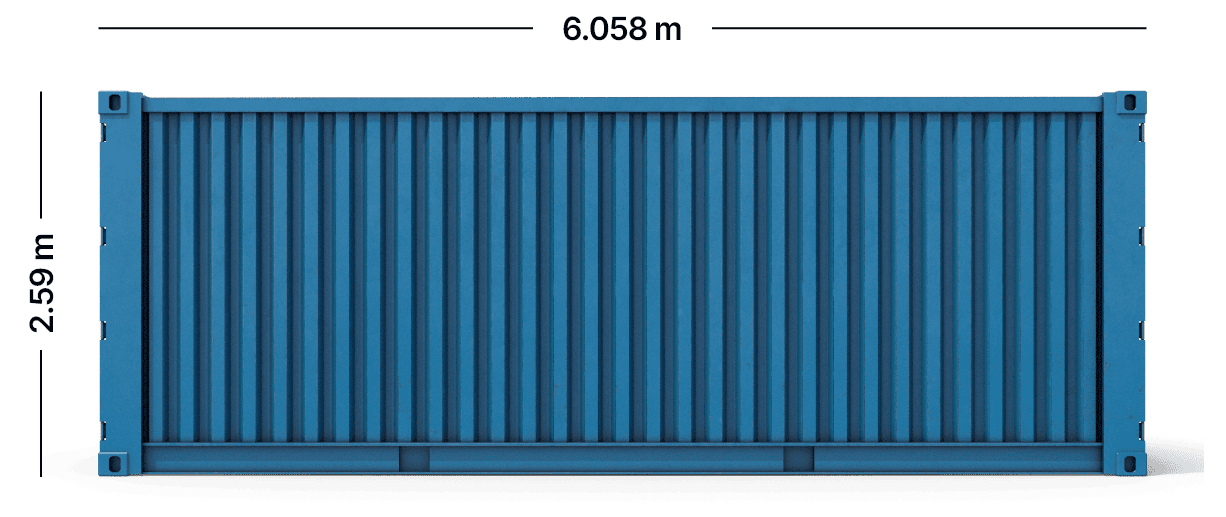
Specification Description
Cubic Capacity
33.2 m3
Max Payload
28,300 Kgs
Tare Weight
2,180 Kgs
Max Gross
30,480 Kgs
40" General Purpose
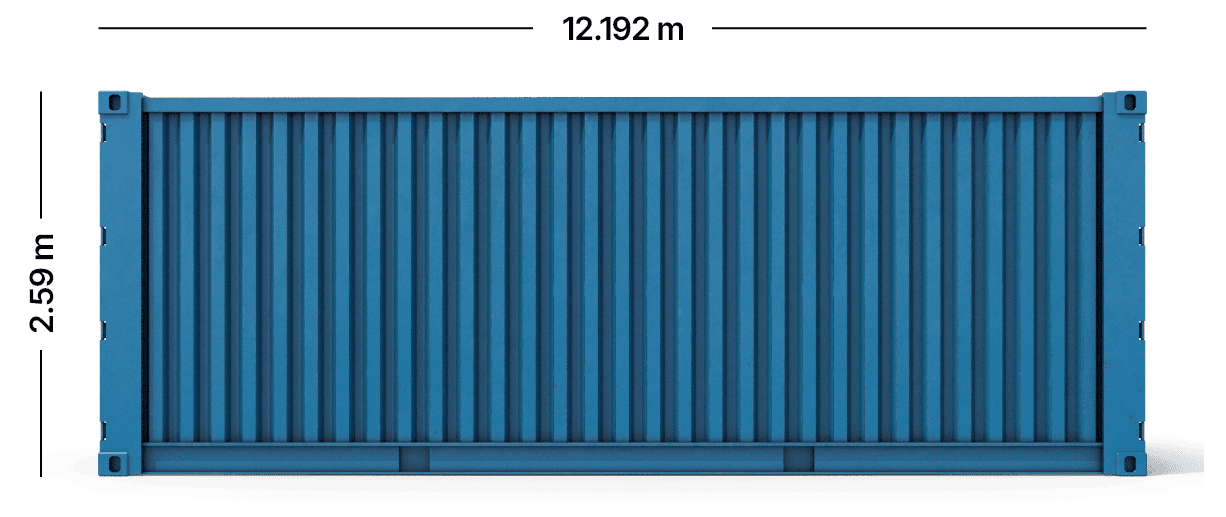
Specification Description
Cubic Capacity
67.7 m3
Max Payload
26,690 Kgs
Tare Weight
3,790 Kgs
Max Gross
30,480 Kgs
Frequently Asked Questions
Preferential foreign exchange rates are more competitive rates offered through established liquidity relationships. These rates typically include reduced spreads and greater pricing transparency, helping businesses lower the cost of currency conversion and international transactions.
Exposure insight provides visibility into how exchange rate movements can affect your cash flow, revenue, and costs. By understanding where and how your business is exposed to currency fluctuations, you can plan more effectively, improve forecasting accuracy, and reduce unexpected financial impact.
Yes, this service is suitable for businesses of all sizes that engage in cross border transactions or operate in multiple currencies. Small and mid sized businesses benefit from improved cost control, clearer financial visibility, and reduced risk without the need for complex internal systems.
Exposure information is reviewed on a regular basis to reflect changes in transactions, balances, and market conditions. Ongoing monitoring ensures that insights remain relevant and support timely financial decisions as exchange rates fluctuate.