
The Fabric of Our Lives:
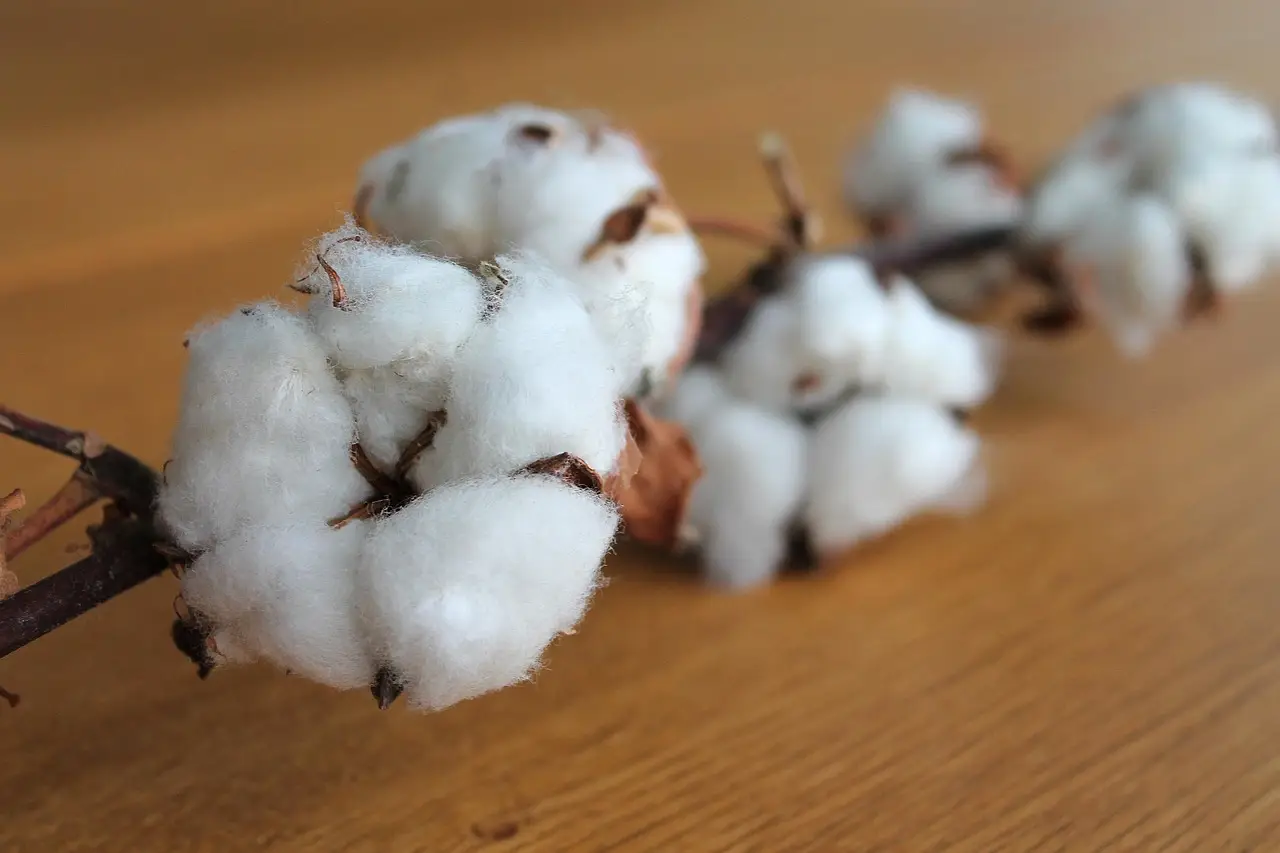
Let’s be honest: blips about the latest smartphone or AI marvel might dominate our news feeds, but ask yourself—what are you wearing right now? Go on, peek at your collar. If you’re like most of the population, there’s a very high probability you’re swathed in cotton. It’s the quiet MVP of our daily existence, the unsung hero of comfort. At Via Charon, we have a soft spot for this soft fibre, and we’re here to take you on a journey from the dusty field to your dresser drawer, with a few pit stops at the ginning mill and the customs office along the way.
What is cotton?
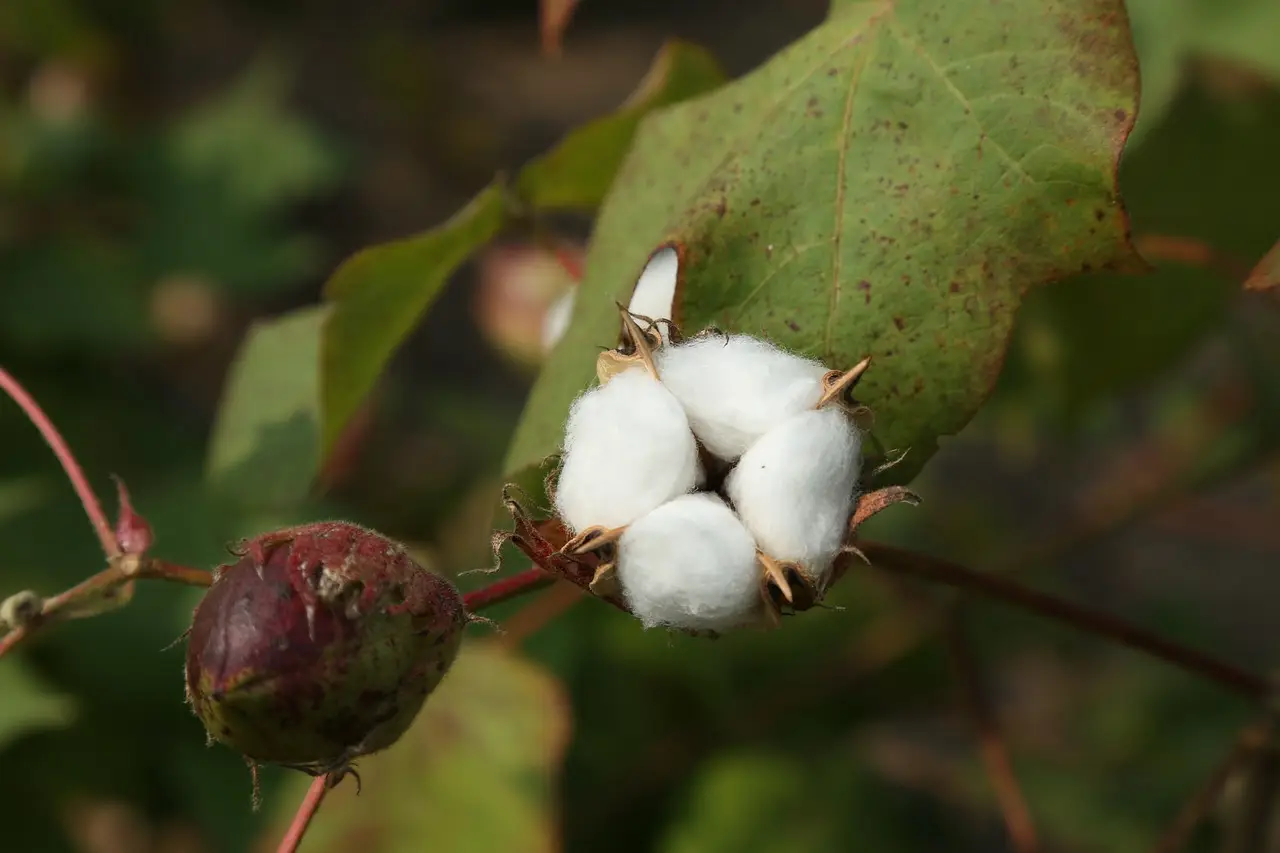
In the grand, sprawling family tree of textiles, cotton is the dependable, beloved eldest child. It sits proudly in the “natural fibres” branch, specifically the plant-based sector, keeping company with flax (linen) and jute .
Unlike synthetic upstarts like polyester (a petroleum prodigy) or nylon (born from coal and air), cotton comes from the land. It grows in a fluffy boll protecting the seeds of the cotton plant. Under a microscope, a cotton fibre looks like a twisted ribbon. This natural crimp is its secret superpower—it allows the fibre to trap air and wick moisture away from your skin, making it breathable, absorbent, and incredibly comfortable . It is the reason your favourite jeans, your softest t-shirt, and your fluffiest towel all share the same botanical roots.
How is Cotton made?
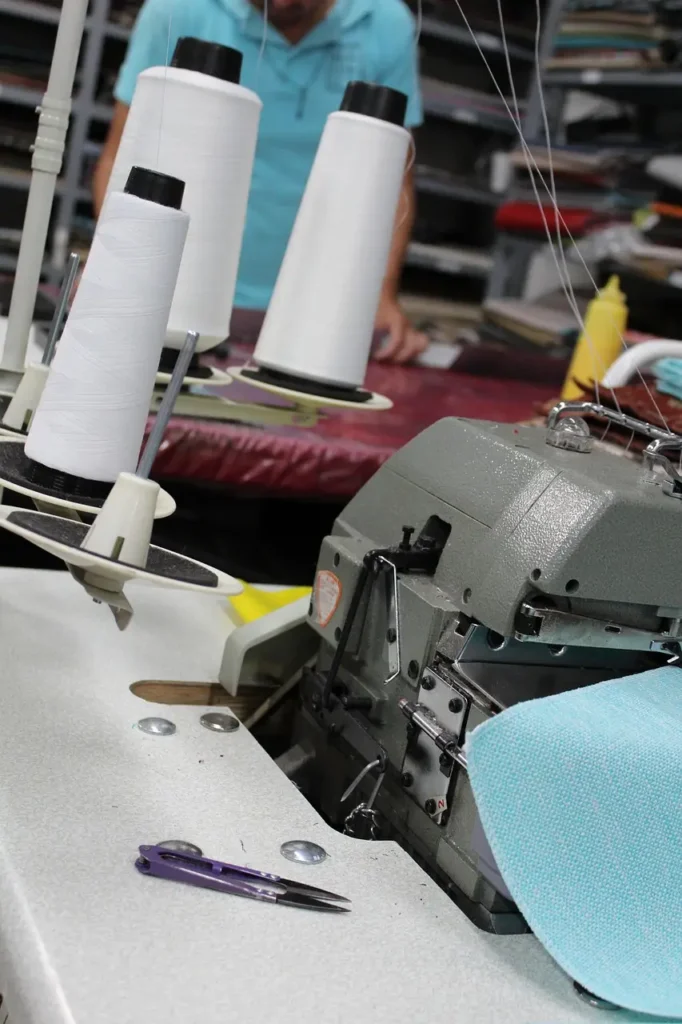
Making cotton is not just farming; it’s a five-month saga with a cast of thousands (of plants). Here is how the magic happens.
Stage 1: Cultivation and Harvest
It all starts with a seed. Cotton needs long, hot, dry summers with plenty of sunshine. Once the plants mature, they produce bolls—the protective pods that contain the seeds and fibres. When the bolls burst open, it looks like the field is covered in candy floss. In the modern age, these are harvested by massive machines, either strippers or spindle pickers, which efficiently remove the boll from the plant .
Stage 2: Ginning (The Great Separation)
This is where the drama happens. The harvested cotton, now called “seed cotton,” is fed into a Cotton Gin (a name that still feels like it belongs in a steampunk novel). The gin separates the valuable lint (the fibre) from the seeds and the “trash” (dirt, stems, and leaves). It takes about 2.5 cm to 5 cm long fibres from the seed and transforms them into a marketable commodity . Once ginned, the lint is squashed into massive bales, weighing about 220 kg each, ready to travel the world . (Fun fact: The seeds aren’t wasted—they go on to become cooking oil, animal feed, and even paper!)
Stage 3: Cleaning and Carding
At the mill, those tight bales are broken open. The fibres are fed through machines that look like they could double as medieval torture devices—spiked rollers and beaters—to fluff them up and remove any remaining vegetable matter . Next comes carding, where the fibres are combed into a thick, rope-like strand called a “sliver,” with all the fibres lying in the same direction.
What are the different types of Cotton?
Not all cotton is created equal. In fact, the quality spectrum is vast, ranging from something you’d want to wipe a luxury car with, to something you’d use to wash it (and feel bad about the paintwork).
The primary indicator of quality is the length of the fibre, or “staple.” Generally, longer staples mean softer, stronger, more luxurious fabric.
- Short Staple (Less than 1 inch): This is the budget end of the market. It’s often used for lower-quality fabrics where softness isn’t the priority .
- Long Staple (1.25 to 1.5 inches): Think Egyptian or Pima cotton. These fibres can be spun into finer, thinner yarns that result in a smoother, more durable fabric .
What are the different grades of Cotton?
Even within the same plant, how you treat the fibre matters :
- Carded Open End (C.O.E.): Described by one industry insider as feeling like “the love child of a burlap sack and a t-shirt” . It’s cheap, scratchy, and heavy. It is the “I’ll only wear this if I’m painting the house” cotton.
- Ring-Spun Cotton: This involves twisting and thinning the cotton fibres to create a finer, stronger, softer yarn. It’s a step up from C.O.E., but if it isn’t combed, it still contains a lot of impurities and short fibres .
- Combed and Ring-Spun: This is the good stuff. Before spinning, the cotton goes through a combing process that removes the short fibres and impurities. This results in a fabric that is smooth, strong, and soft. You lose about 25% of the mass, but what remains is premium .
- Airlume / Supima / Egyptian: These are the royalty. They use only the longest staple fibres and the most meticulous combing processes, resulting in a fabric that is buttery soft and has a flawless printing surface .
What are the uses of Cotton?
If you can sit on it, sleep under it, dry your face with it, or wear it, there is a variant made of cotton.
- Apparel: The obvious one. From denim jeans to crisp white shirts, underwear, socks, and summer dresses.
- Home: Bed sheets, towels, duvet covers, and upholstery.
- Industrial & Medical: This is where cotton gets serious. The US Department of Agriculture is currently researching high-tech cotton for wound dressings that promote blood clotting for military applications, antibacterial fabrics for hospitals, and even flame-retardant materials . Cotton is also used in bookbinding, archival storage, and even in the paper for banknotes .
How is Cotton traded globally?
Cotton is a global commodity, and its trade routes are the arteries of the fashion industry.
Top Dogs in the Ring
According to the latest USDA estimates for 2025/26, China remains the undisputed heavyweight champion of both production and mill use, accounting for 29% of global production . However, when it comes to exporting the raw stuff, the baton passes. Brazil and the United States are the primary exporters . On the receiving end, Vietnam and Bangladesh are the leading importers, hungry for fibre to feed their massive textile manufacturing sectors .
Where do the UK and US get their cotton from?
- The United Kingdom: The UK imports a significant amount of cotton, totaling around £187 million recently. Despite not growing it themselves, they are a hub for processing and trading. Their top sources read like a who’s who of global textiles: Italy (£34.9M), Pakistan (£29M), Austria (£26.5M), and India (£15.1M) . Interestingly, the US is not a top 5 supplier to the UK for raw cotton, though they trade heavily in finished goods.
- The United States: While the US is a major producer, it also imports textiles. However, its export market is massive. Historically, China was the top customer for US cotton, but that has been declining due to China’s stockpiling policies. Now, the market has diversified, with countries like Vietnam, Bangladesh, Turkey, and Pakistan stepping up to take that US cotton and turn it into clothing .
What to look out for when shipping Cotton
Compliance and Regulations around Cotton
Importing or exporting cotton is not as simple as shipping a box of fluff. You have to navigate the murky waters of international trade law.
- HS Codes: Everything is tracked using Harmonized System (HS) codes. Cotton fibres fall under HS Code 52, while cotton apparel falls under 61 and 62. Getting this wrong can mean paying the wrong duty—or facing massive fines .
- Anti-Dumping Duties: These are punitive tariffs imposed on foreign companies suspected of selling goods below market value (or below cost) to undercut domestic producers. Depending on the trade relations and specific trade wars, cotton products (especially yarns and fabrics) from certain countries can be subject to these duties.
- Standards Compliance:
- US: The Federal Trade Commission (FTC) mandates strict labeling for fibre content and country of origin. Recently, the US has also closed the de minimis loophole for certain apparel, meaning even low-value shipments now face duties .
- EU: The European Union enforces the REACH regulations, which ban hundreds of harmful chemicals (like certain azo dyes) from textiles. If your cotton product contains them, it will be rejected at the border .
- Sustainability: There is a growing push for “green” compliance, with regulations regarding carbon footprints and water usage starting to shape trade policy.
What is the complete supply chain for Cotton?
A cotton supply chain is a logistical masterpiece. It usually looks something like this:
- The Farm: Growing and harvesting.
- The Gin: Cleaning and baling.
- The Spinner: Turning bales into yarn.
- The Weaver/Knitter: Turning yarn into fabric.
- The Dyehouse/Finisher: Adding colour and chemical treatments.
- The Cut & Sew (CMT): Turning fabric into a shirt.
- The Brand: Adding a logo and marketing.
- The Consumer: Buying the shirt.
- The Recycling Bin: (Hopefully) starting the cycle again.
However, innovative companies are shortening this chain. The “farm-to-shirt” movement is gaining traction. For example, Magnolia Loom in Georgia, USA, has built a supply chain that keeps 90% of the garment’s value within the state. By controlling the process from the Georgia field to the Georgia printer, they can pay farmers nearly double the market rate for their cotton, because they cut out the middlemen and the massive shipping distances .
What makes a great or bad Cotton product?
Why does one white t-shirt feel like a cloud and another like cardboard?
- Great Product: Starts with long-staple fibre, is combed and ring-spun, and is knit on modern machines under strict quality control. The environment during ginning matters, too—research shows that temperatures between 13°C and 20°C with normal humidity are the “Goldilocks zone” for maintaining fibre strength and length .
- Poor Product: Often uses short-staple, C.O.E. cotton. If ginned in temperatures below 13°C, the fibres become brittle and break, creating a weaker yarn . If the air is too dry (below 45% humidity), static electricity builds up, causing “knots” in the yarn that weaken the final fabric . In essence, a bad product is the result of rushing nature and ignoring the science.
How Via Charon Can supply, ship and support your Cotton trade
Navigating this complex landscape of fluffy fibres and sharp tariffs is enough to make anyone’s head spin. That’s where we, Via Charon, step in.
At Via Charon, we don’t just understand cotton; we understand the journey of cotton. We are your strategic partners in sourcing and compliance, ensuring that your supply chain is as soft and smooth as a premium combed-cotton shirt.
- Sourcing Excellence: Whether you need the durability of US Upland cotton or the luxury feel of premium long-staple fibres, we have the global network to source the raw materials or finished products that meet your exact specifications.
- Customs Compliance & Tariffs: We live and breathe the red tape. Our experts stay up-to-date on the latest anti-dumping duties, US Section 301 tariffs, and EU REACH regulations to ensure your shipment isn’t delayed or seized . We handle the HS classification so you don’t have to guess whether your yarn is 5205 or 5206.
- Maximizing Your Profits (The Duty Drawback): Here is a financial secret weapon. Did you know that if you import cotton goods and then later export them (or goods made from them), you might be eligible for a duty drawback? That means you can recover up to 99% of the customs duties you originally paid. Via Charon specializes in identifying these opportunities and managing the complex paperwork to put money back into your pocket. Why pay more tax than you have to?
- End-to-End Supply Chain Management: From the gin in Georgia to the mill in Vietnam to the warehouse in Manchester, we integrate the logistics. We ensure that the conditions of transport maintain the quality of the fibre, so what arrives at your door is just as good as what left the farm.
Cotton is more than just a crop; it is a global commodity, a scientific marvel, and a comfort provider all rolled into one. Whether you are a startup looking for the perfect blank t-shirt or a multinational navigating the complexities of global trade, Via Charon is here to help you pull on the threads of success.
Ready to weave a better supply chain? Contact Via Charon today to see how we can help you import, export, and save.