
Introduction: The Aristocrat of Rice
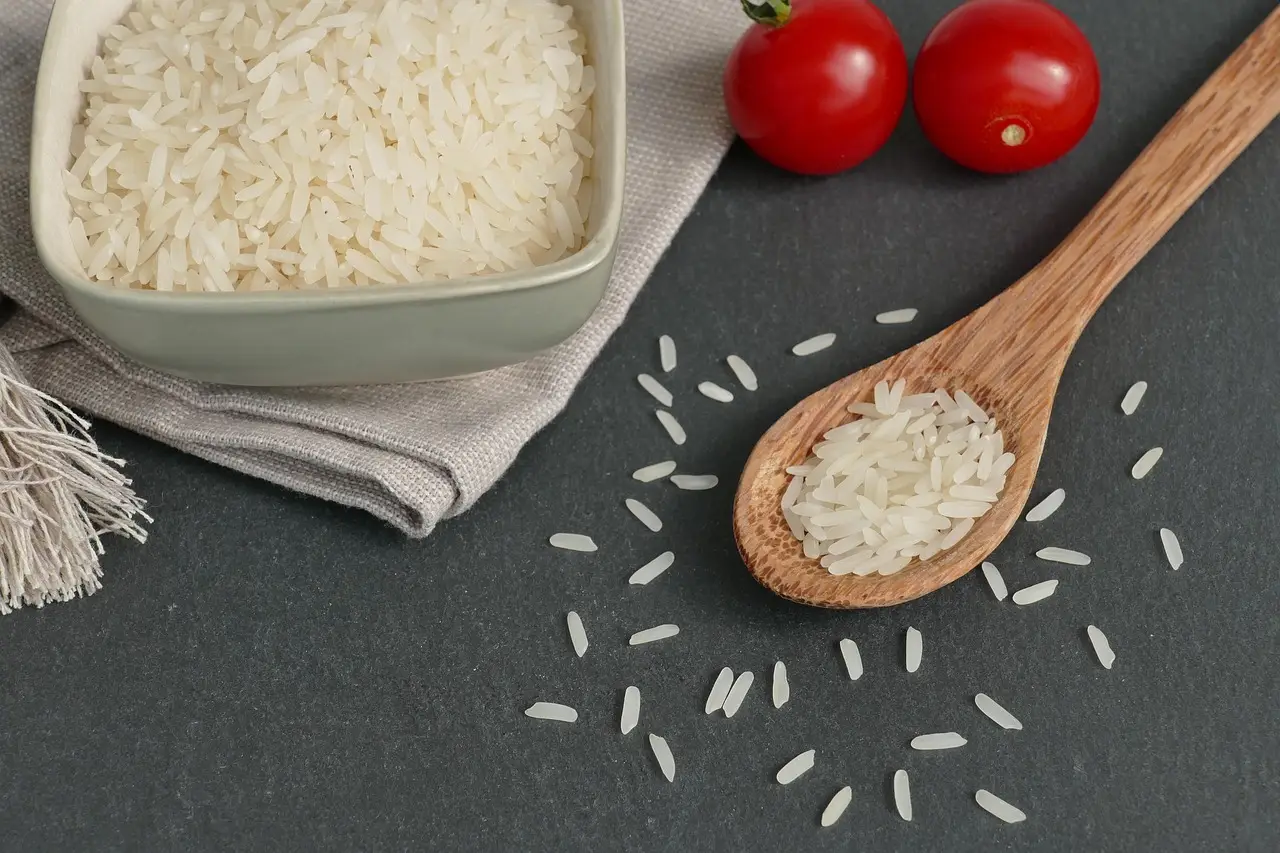
Imagine a grain so delicate that it nearly doubles in length as it cooks, releasing a fragrance reminiscent of pandan leaves and roasted nuts. Picture a plate of fluffy, separate grains that provide the perfect canvas for rich, spiced curries or a luxurious biryani layered with succulent meat and saffron. This isn’t just any rice; this is Basmati, often called the “King of Rice.”
For centuries, this long-grained aristocrat has been a staple of celebration and everyday meals across the Indian subcontinent and the Middle East. Today, its popularity has exploded worldwide, finding its way into the kitchens of Michelin-starred restaurants and home cooks in places like the UK and the US. But have you ever wondered about the journey this fragrant grain takes to get to your plate?
How Via Charon can get Basmati Rice for you?
At Via Charon, we don’t just appreciate Basmati rice; we are experts in its journey. As a premier supplier, we understand that bringing this premium product to international markets requires more than just a good source. It requires logistical intelligence, a deep understanding of global trade, and a commitment to quality that starts long before the grain is ever planted. From the paddy fields of South Asia to the bustling ports of the world, Via Charon is your trusted partner, ensuring that the Basmati rice you receive is nothing short of perfect.
Buckle up as we take you on a journey through the world of Basmati rice, exploring its origins, its many forms, and the complex, fascinating path it travels from a seed in the ground to a star on your dinner table. And along the way, we’ll show you how Via Charon acts as the master conductor of this global symphony.
What is Basmati Rice?
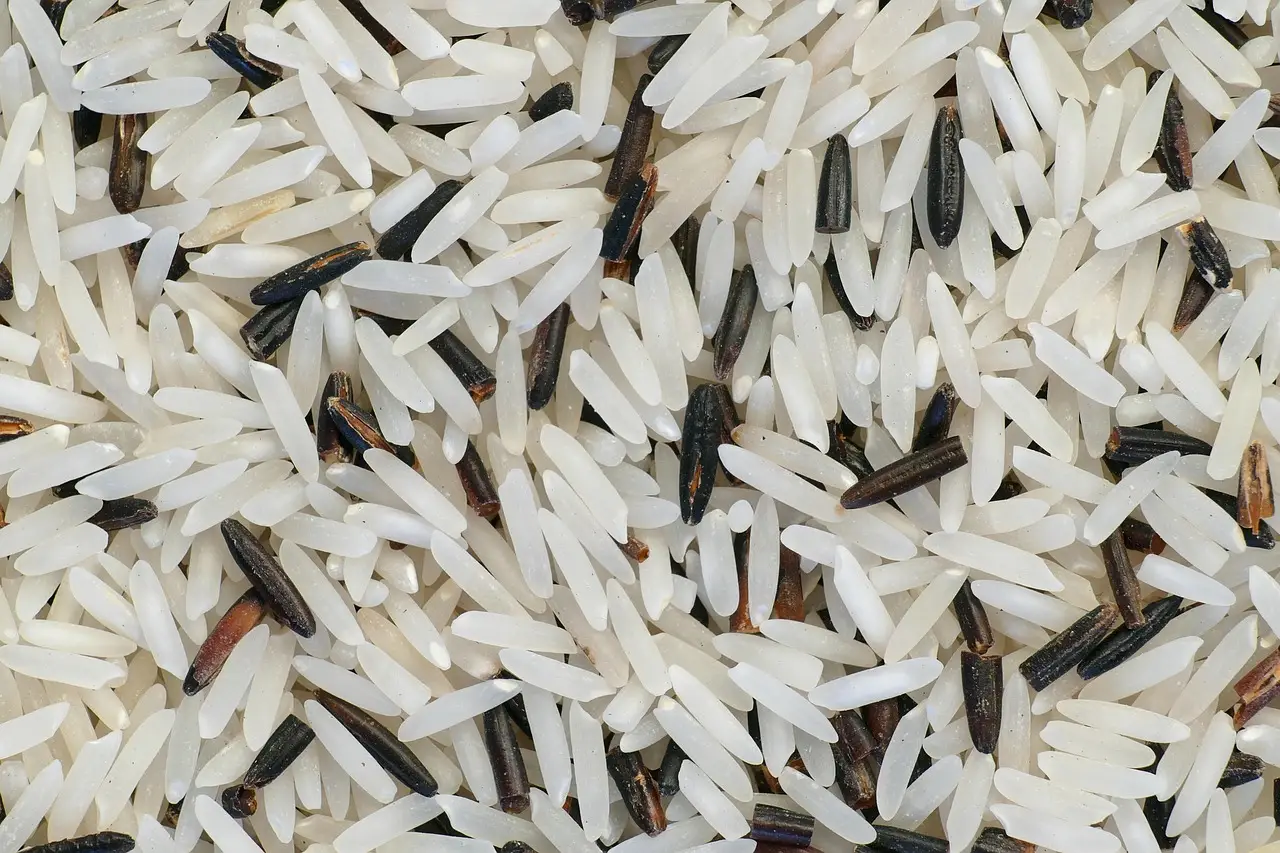
Before we dive into trade and logistics, let’s get to know the star of the show. Basmati rice is a premium, extra-long-grain rice variety celebrated for its unique fragrance, flavour, and texture. The word “Basmati” itself is derived from Sanskrit, meaning “the fragrant one” or “the soft rice” . It’s a fitting name for a grain that has been cultivated in the foothills of the Himalayas for thousands of years.
In the vast rice family, Basmati stands apart. While other long-grain rices like Jasmine share some aromatic qualities, Basmati is distinct. Its magic lies in a naturally occurring compound called 2-acetyl-1-pyrroline, which gives it that characteristic nutty, popcorn-like scent . This aroma is so prized that it’s a key benchmark for quality.
When cooked, Basmati grains are famously non-sticky and separate, creating a light, fluffy texture. This is due to its low amylopectin (a sticky starch) content. A high-quality Basmati grain will expand significantly in length—often two to three times its original size—while maintaining its slender shape, a feature known as “linear elongation.” It’s this unique combination of sensory and textural qualities that elevates it above common table rice .
How is Basmati Rice produced and processed?
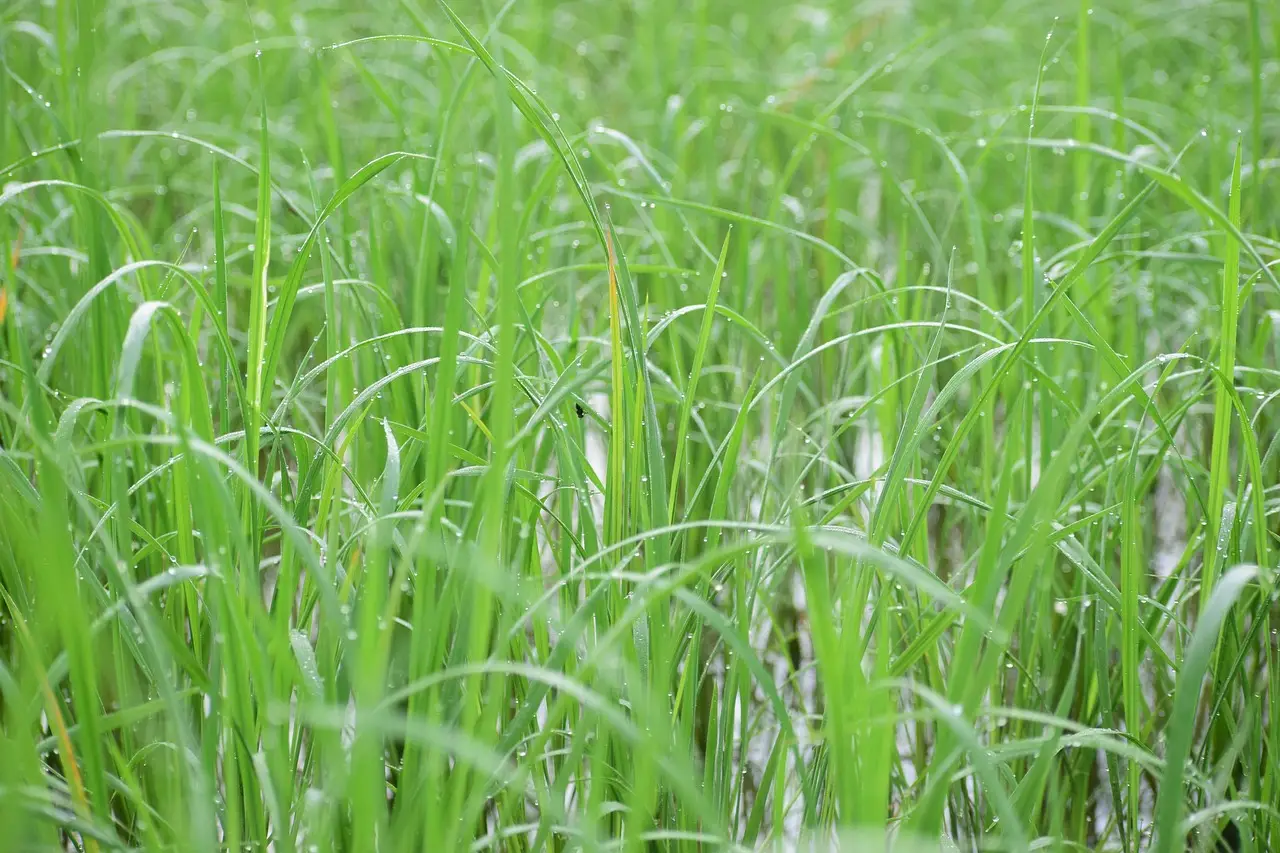
The journey of Basmati rice is a labour-intensive process that blends tradition with modern technology. Here’s a look at how it goes from a paddy farm field to the finished product we export.
- Cultivation: The Birth of the Grain
Authentic Basmati rice is grown primarily in the Indo-Gangetic plains, specifically in the Punjab regions of India and Pakistan . The unique climate—with cool nights and sunny days—combined with the specific soil composition of the Himalayan foothills, is believed to contribute to its distinctive aroma and flavour.
Farmers typically sow the seeds in nurseries during the summer months (May-June). After a few weeks, the young seedlings are transplanted to the main paddy fields, which are carefully flooded. The crop takes about four to five months to mature, requiring just the right amount of sunshine and water.
- Harvesting and Milling: From Paddy to Rice
Once the golden paddy (the rice plant with the inedible husk still on) is harvested, it begins its journey to the mill.
- Drying: The paddy must be dried to the correct moisture content to prevent spoilage and prepare it for milling.
- Milling: This is where the magic happens. At mega rice milling plants, the paddy goes through several stages :
- De-husking: The outer husk is removed, leaving brown rice (which still has the bran layer).
- Polishing/Whitening: For white Basmati, the brown rice is passed through polishers that gently remove the bran layer, revealing the pearly white grain we all know. This process must be handled with extreme care to prevent breakage, as the long, delicate grains are fragile.
- Grading and Sorting: Modern mills use optical sorters and graders to separate grains by length, colour, and thickness. This is where the rice is sorted into different grades. Any broken or discoloured grains are removed, ensuring only the perfect specimens move forward.
- The Art of Aging: A Crucial Step
A secret to premium Basmati is aging. High-quality Basmati is often aged for one to two years after milling . This process dries out the grain further, making it harder and less likely to break during cooking. Aged Basmati also absorbs water and flavours better and achieves that perfect, fluffy separation. Freshly harvested Basmati can sometimes cook up a bit sticky or mushy in comparison . A poor Basmati grain is often the result of incorrect harvesting time, improper milling that causes excessive breakage, or a lack of proper aging.
What are the different types of Basmati?
Not all Basmati is created equal. The rice is categorized by type, which often relates to processing, and by grade, which relates to quality. As a supplier, Via Charon navigates these distinctions to provide exactly what our clients need.
Types of Basmati Rice (Based on Processing):
- White Basmati: The most common type. It’s milled and polished to remove the bran, resulting in a light, fluffy texture and quick cooking time (15-20 minutes). It has a delicate, neutral flavour that pairs perfectly with robust curries .
- Brown Basmati: A whole-grain version that retains its nutritious bran layer. It has a chewier texture, a nuttier, earthier flavour, and a longer cooking time (30-40 minutes). It’s prized for its higher fibre content and lower glycemic index .
- Parboiled (Sella) Basmati: This rice undergoes a steam-pressure treatment before milling. The process forces nutrients from the bran into the starchy endosperm, making it more nutritious. Sella Basmati grains are harder and more resistant to breakage, making them ideal for catering and dishes like biryani where the grains need to withstand longer cooking. It has a slightly firmer texture and a milder aroma than raw Basmati .
- Steam Basmati: Similar to parboiled, but the process is gentler. The paddy is soaked and steamed, but under less pressure. This results in a grain that is more durable than raw Basmati but retains more aroma and has a less yellow hue than traditional Sella.
- Golden Sella / Creamy Sella: These are specific marketing terms for parboiled Basmati that has a distinct golden or creamy colour due to the parboiling process. They are premium products within the parboiled category .
What are the different grades of Basmati Rice?
Grading is primarily about the physical characteristics of the grain. In the industry, quality is often judged by:
- Grain Length: This is the most important factor.
- Extra Long Grain: Grains are typically over 7mm in length uncooked and can reach 15-20mm when cooked. This is the top tier.
- Long Grain: Slightly shorter but still unmistakably Basmati.
- Broken Grains: The percentage of broken grains in a batch is a key quality indicator. The highest grade, often labelled “Premium” or “Cream of the Crop,” will have less than 1% broken grains. Lower grades may have 5% to 20% broken grains and are used for more economical purposes.
- Age: As mentioned, aged rice (1-2 years) commands a higher price than new crop rice.
- Colour and Uniformity: Premium grades have a uniform pearly white or golden (for Sella) colour with no discolouration or chalkiness.
Common Basmati Varieties: You might also hear specific varietal names like Super Basmati, Kernel Basmati, or Pusa Basmati (a high-yielding hybrid) . These refer to different plant cultivars, each with slightly different characteristics in terms of grain length, aroma intensity, and yield.
What are the different dishes that use Basmati Rice?
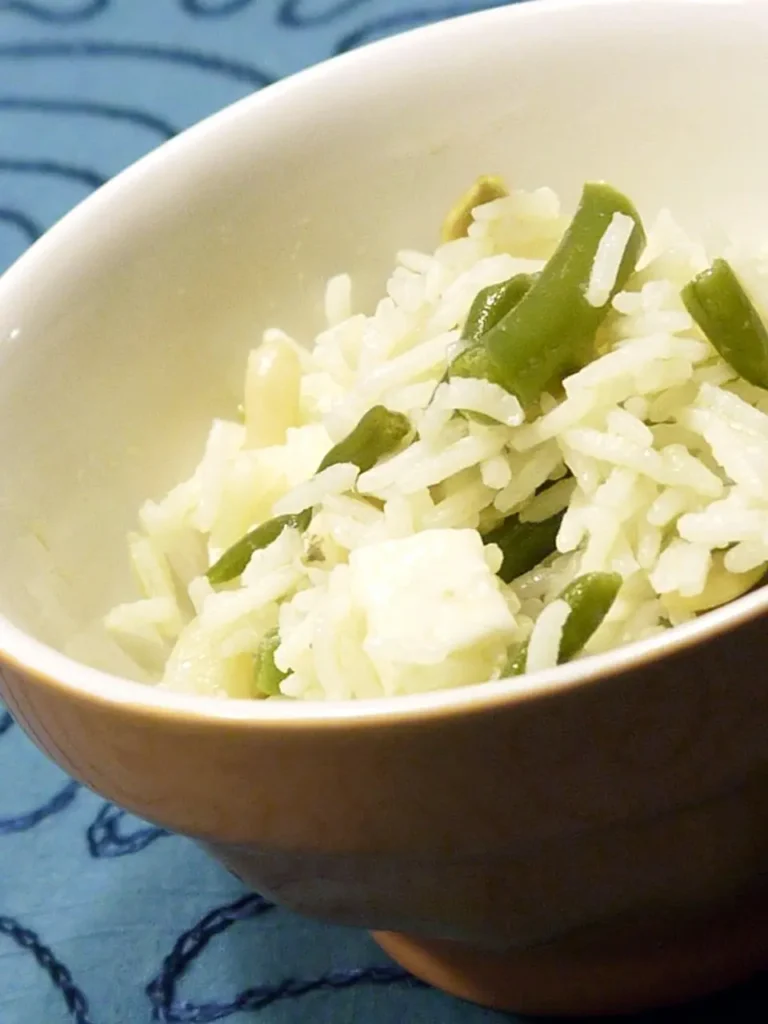
Basmati rice is the soul of countless iconic dishes. Its ability to absorb flavours without turning into a sticky mess makes it the canvas for some of the world’s most beloved cuisine.
- Biryani: The undisputed king of rice dishes. This fragrant, layered casserole features Basmati rice, marinated meat (chicken, mutton, or fish), fried onions, saffron, and a symphony of spices, all slow-cooked together (“dum”) to create a dish where every grain is infused with flavour .
- Pulao (Pilaf): A simpler, yet equally delicious, one-pot dish where Basmati rice is sautéed with aromatics (onions, garlic, whole spices) and then cooked in stock. It can be a simple side or loaded with vegetables, nuts, and dried fruits for a festive meal .
- Plain Steamed Rice: In many South Asian households, a simple bowl of fluffy Basmati is the perfect accompaniment to rich, spicy curries, dals (lentils), and kebabs. Its neutral flavour balances the intensity of the other dishes.
- Tahdig: In Persian cuisine, Basmati is often used to create “Tahdig,” a crunchy, golden-brown crust of rice from the bottom of the pot, which is considered a delicacy.
How is Basmati Rice traded globally?
The story of Basmati is also a story of global trade. The market is dominated by two key players.
- Top Exporters: India is by far the world’s largest exporter of Basmati rice, known for its vast production and diverse varieties . Pakistan is the second-largest exporter, and its Basmati is highly regarded, particularly for its strong aroma and grain quality . In recent months, a surge in Pakistani exports has solidified its position as a major global force, even briefly becoming the world’s third-largest rice exporter overall .
- Top Importers: The fragrant grain travels far and wide.
- Middle East: Countries like Saudi Arabia, UAE, Iran, and Iraq are among the largest importers, with Basmati being a staple in their daily diets .
- Western Markets: The United States and the United Kingdom are significant and growing markets, driven by large South Asian diasporas and an increasing mainstream appreciation for international cuisine.
- Europe and Central Asia: Countries like Italy, Kazakhstan, and Uzbekistan are also emerging as key destinations, showing the grain’s expanding global appeal .
Where do UK and US import Basmati Rice from?
For both the UK and the US, the answer is primarily India and Pakistan, but the dynamics differ.
- United Kingdom: The UK has a long historical connection with the Indian subcontinent, and its love for Basmati is well-established. It imports a substantial volume from both India and Pakistan. Data shows that combined exports to the EU and UK from Pakistan alone reached significant levels . Pakistani Basmati holds a strong market share, especially in price-sensitive segments.
- United States: The US market is fascinating. While both origins are present, Pakistan has gained a significant competitive advantage recently due to geopolitical trade measures. The US has imposed a steep 50% tariff on Indian Basmati rice as part of broader trade disputes. In contrast, Pakistani Basmati faces a much lower duty . This has led to a boom in Pakistani Basmati exports to the US, with the country now holding a leading share . This perfectly illustrates how global politics can directly impact the supply chain.
Compliance and Regulations around Basmati Rice
Trading Basmati rice internationally is not for the faint of heart. It’s a product subject to a complex web of regulations, all of which Via Charon expertly manages for our clients.
- Anti-Dumping Duties & Tariffs: As seen with the US, tariffs can be highly volatile. Other regions have their own tariff-rate quotas (TRQs) and Most Favoured Nation (MFN) duties. For example, the EU applies duties that can vary based on origin and whether the rice is within a quota . Importers must know their HS Codes (like 1006.30 for milled Basmati) to determine the correct duty .
- Customs Regulations & Standards Compliance: This is where things get technical.
- Phytosanitary Certificates: Importing countries require certificates to prove the rice is free from pests and diseases .
- DNA Testing: Because of the price difference between Basmati and non-Basmati varieties, adulteration is a risk. Many importing countries and reputable buyers require DNA-based purity certificates to verify the rice is 100% authentic Basmati .
- Geographical Indications (GI): Basmati from specific regions in India and Pakistan is protected by GI tags. Export documentation must align with these protections.
- Pesticide Residue Limits: Strict regulations, especially in the EU and UK, set maximum limits for pesticide residues. Rice must be tested to ensure compliance .
How Via Charon delivers Basmati Rice for you

This is where Via Charon truly shines. We don’t just move rice from Point A to Point B. We provide an integrated supply chain solution that starts at the source and ends with the product safely in your hands.
- Sourcing and Procurement: We partner with the best mills and farmers in India and Pakistan, ensuring we source rice that meets the specific grade and quality our clients demand.
- Customs Clearance and Document Processing: The paperwork for Basmati is immense. Via Charon takes this burden off your shoulders. We handle the application for phytosanitary certificates, the management of certificates of origin (to leverage Free Trade Agreements), and the completion of all customs declarations . Our expertise ensures your goods don’t get held up at the border. We can also advise on potential duty drawbacks, helping you recover any eligible duties paid on imported goods that are later exported.
- Intelligent Logistics and Fleet Repositioning: This is where our tech-driven approach makes a massive difference. Shipping routes are volatile. Blank sailings (cancelled voyages) and fluctuating freight rates are the new normal . Via Charon uses advanced AI technology to solve the Liner Shipping Fleet Repositioning Problem (LSFRP) .
Think of it like this: shipping lines constantly need to move empty containers back to positions of high demand. This is inefficient and costly. Our software uses simulated annealing algorithms—the same complex logic used by the liner companies themselves—to synchronize with these flows . This allows us to:
- Find the most cost-effective routes, even if they take a few extra days, saving our clients significant money.
- Consolidate cargo to achieve economies of scale, lowering per-unit freight costs.
- Predict and avoid disruptions like port congestion by having a global “logistical vantage point” .
We use data on everything from customs unions to free trade zones to devise the absolute best procurement and transportation strategy for your Basmati rice .
Conclusion
From the misty foothills of the Himalayas to a fragrant biryani on a dinner table in London or New York, the journey of Basmati rice is a testament to tradition, quality, and the power of global trade. It’s a product where the smallest details—a broken grain, a missed certificate, a volatile shipping route—can make or break a business.
That’s why you need a partner who understands the grain as well as the globe. Via Charon is that partner. We offer a seamless, end-to-end solution that combines deep commodity knowledge with cutting-edge logistical technology. We don’t just ship Basmati rice; we steward its journey, ensuring that the “fragrant one” arrives exactly as intended—perfect, pure, and ready to be enjoyed.
Whether you are a distributor looking for a reliable supply of premium Sella, a wholesaler seeking to navigate complex US tariffs, or a retailer wanting authentic aged Basmati, Via Charon is your gateway.
Ready to bring the King of Rice to your market?
Contact Via Charon today to see how we can help you import, export, and save. After all, with Via Charon, your supply chain is in expert hands.