
Tomato Paste
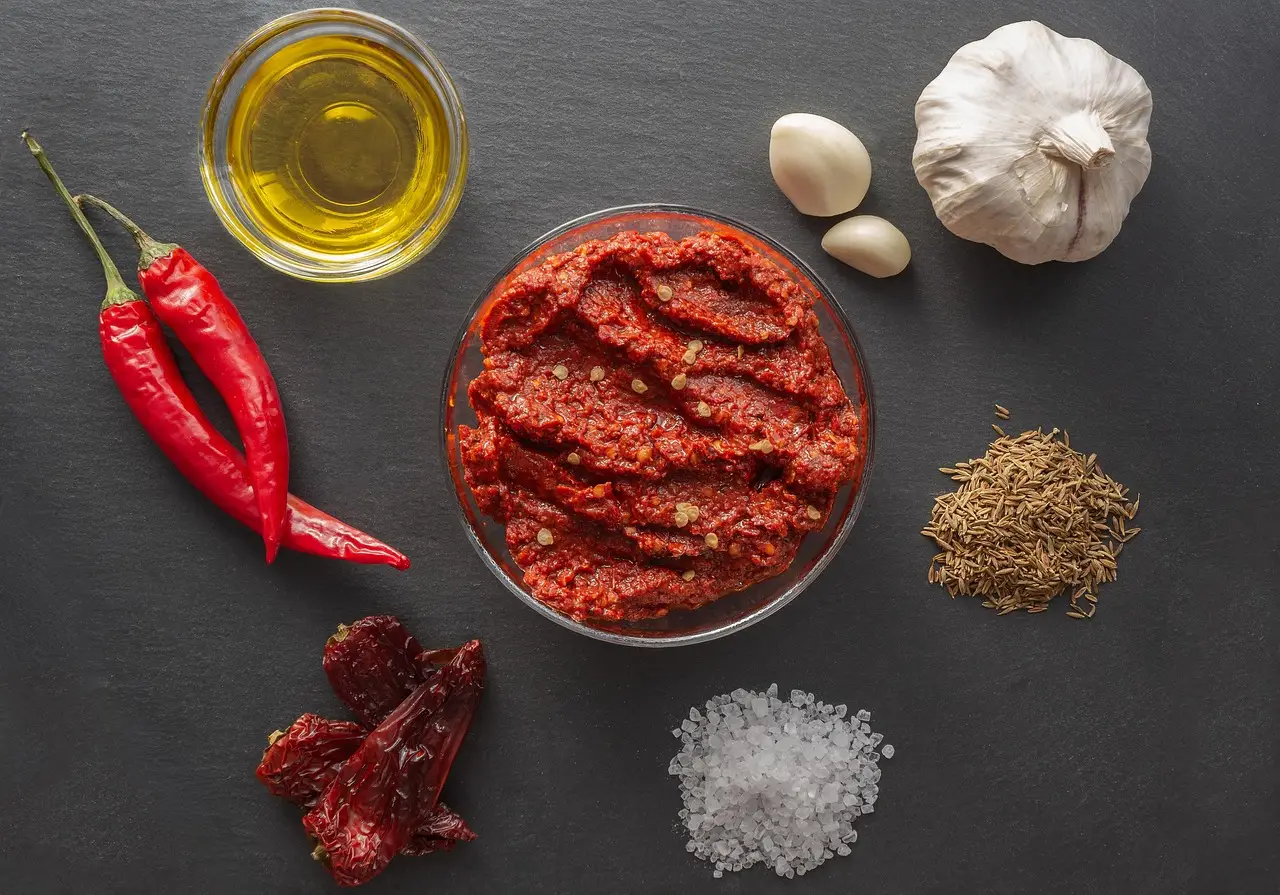
Let’s be honest for a second. When was the last time you stood in your pantry, gazed upon a small can or a tube of tomato paste, and felt a wave of inspiration? If your answer is “never,” you’re in the majority. Tomato paste is the unsung hero of the culinary world, the backstage crew that makes the leading actors—like a rich Bolognese, a spicy Shakshuka, or a perfect pizza—look good. It’s the concentrated essence of sunshine, patiently waiting in its unassuming package to add depth, color, and umami to our lives.
But behind that little tin lies a world of intrigue. A world of giant evaporators, complex global supply chains, billion-dollar trade wars, and farmers who can tell you exactly how much rain fell last Tuesday. So, grab a spoon (maybe not for the paste itself), and let’s take a journey into the fascinating, and surprisingly complex, business of tomato paste.
What is the origin of tomato paste?
The journey of tomato paste is a story of transformation. It all begins, not in a factory, but under the sun. Farmers cultivate specific varieties of processing tomatoes—these aren’t your plump, juicy slicing tomatoes. They’re often oblong, meatier, and have a higher solids content and lower water content, making them perfect for concentration .
How is tomato paste made?
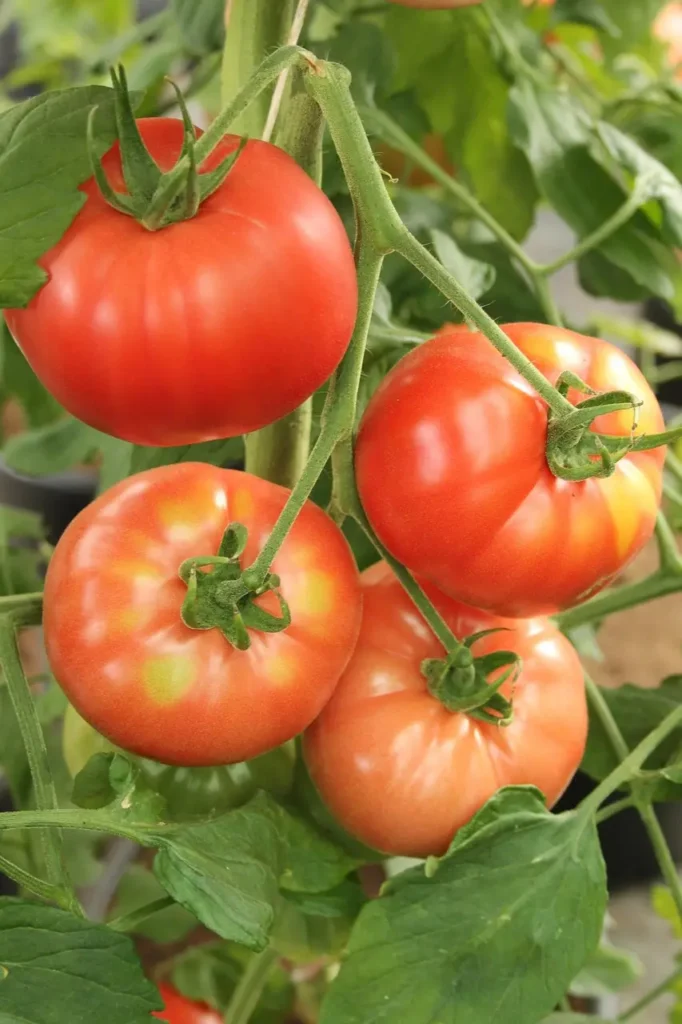
Once the tomatoes are harvested (a process that is increasingly mechanized), they are rushed to the processing plant. Time is of the essence to preserve freshness and prevent spoilage. Here’s where the magic happens:
- Washing & Sorting: The tomatoes are thoroughly washed and then sorted. Modern facilities use optical sorters that can shoot a puff of air to reject an under-ripe or blemished tomato with more precision than any human . It’s like a video game, but for ketchup.
- Crushing & Pulping: The good tomatoes are crushed and then passed through a pulper, which separates the juice and pulp from the skins and seeds .
- Concentration: This is the heart of the operation. The tomato juice is piped into massive evaporators. By applying heat, usually under a vacuum to lower the boiling point and preserve flavor and color, the water is removed . The goal is to take a juicy tomato and turn it into a thick, rich concentrate. The concentration level is measured in degrees Brix, which is essentially the percentage of soluble solids (mostly sugars). A standard tomato paste clocks in at 28-30% Brix, but it can go as high as 36-38% for industrial use . To put that in perspective, a fresh tomato is about 5% Brix. It takes a staggering 5 to 6 kilograms of fresh tomatoes to make just 1 kilogram of paste.
- Hot Break vs. Cold Break: This is a crucial decision point. In a hot break process, the crushed tomatoes are heated immediately to deactivate enzymes that can break down pectin. This results in a thicker, more viscous paste, ideal for products like sauces and ketchup. Cold break heats the tomatoes more slowly, preserving more of the fresh tomato flavor and aroma, but resulting in a less viscous product .
- Packaging: Finally, the piping hot paste is packaged, often aseptically, into large bags-in-boxes, drums, or steel cans for industrial use, or into the familiar small tins and tubes for consumers .
How is tomato paste categorized?
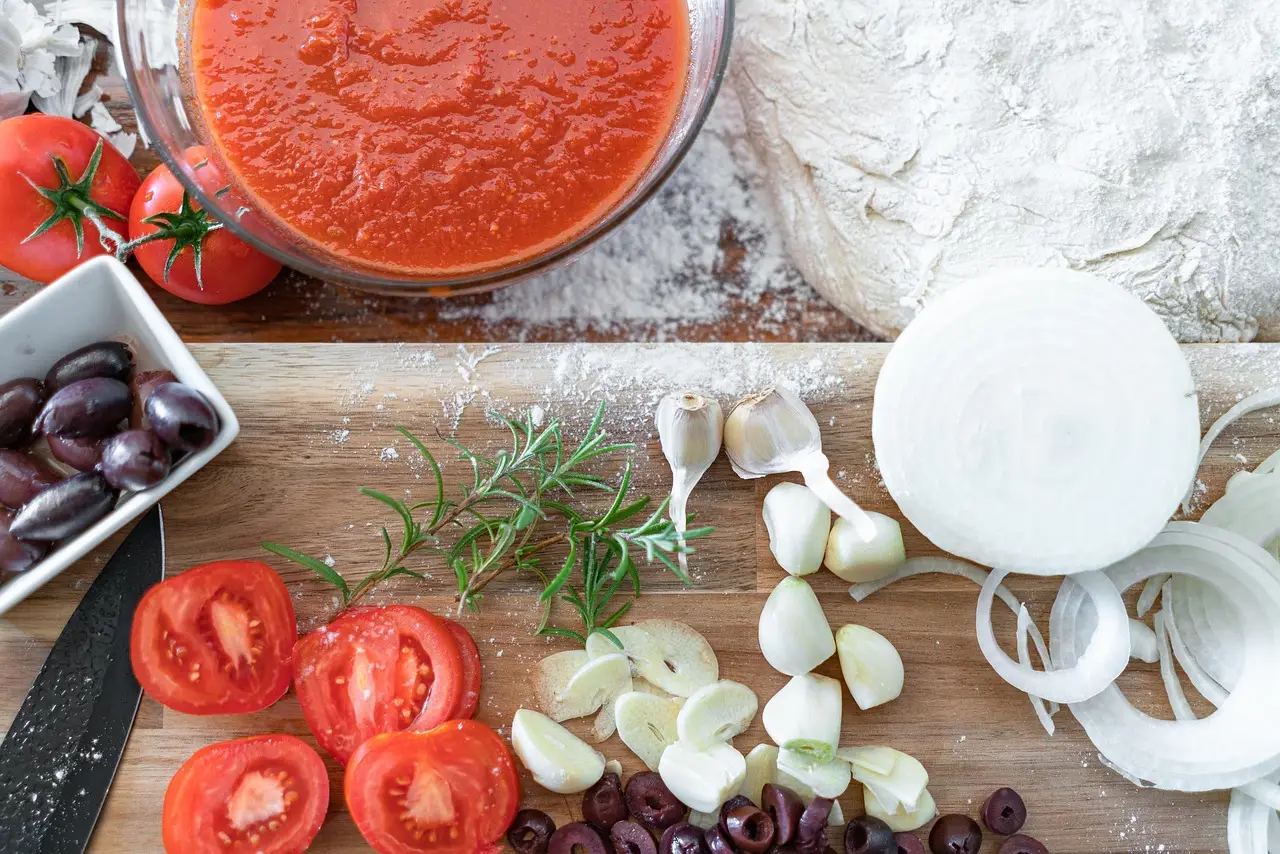
Not all tomato paste is created equal. It’s classified primarily by two things: Brix level and consistency.
- By Brix: You might see labels like 28/30 or 36/38. The first number indicates the minimum Brix, and the second the maximum. Double concentrate (28-30%) is the industry workhorse. Triple concentrate (36-38%) is even thicker and is often used as a base for further processing, like making ready-to-use sauces.
- By Grade/Quality: The “grade” isn’t always an official stamp, but quality is determined by factors like:
- Color: A bright, deep red is what everyone wants. The color is measured with sophisticated instruments, and a high-quality paste will have a high “a/b” ratio (red to yellow). Dull, brownish paste is a sign of poor processing or old tomatoes .
- Viscosity (Bostwick Value): This is how thick the paste is. It’s measured by letting a sample flow for 30 seconds in a trough called a Bostwick consistometer. The lower the number, the thicker the paste. Processors and buyers have specific Bostwick requirements for different applications .
- Flavor: A good paste should taste intensely of cooked tomatoes—sweet, tangy, and savory, without any off-notes like bitterness or “cooked” or metallic flavors.
- Defects: High-quality paste has minimal specks (from seeds or skins) and is free from any foreign material.
So, when a pizzeria wants a sauce that won’t make their crust soggy, they’ll ask for a specific Brix and a low Bostwick value. It’s a science, not just an art.
How is Tomato Paste traded globally?
The trade of tomato paste is a multi-billion dollar industry. Let’s look at the major players on the world stage, based on recent data.
The Export Champions: Where does Tomato Paste Come from?
🥇 1. China: The undisputed heavyweight champion. In the 2024/2025 marketing year, China exported a staggering 1.2 million metric tonnes, holding a 31% share of the global market. They are the volume king, known for offering the most competitive prices . However, their production is famously volatile.
🥈 2. Italy:The king of quality and value. Italy exported nearly 780,000 tonnes in 2024/2025 (20% market share) . While they export less volume than China, their total export value is actually **higher** (around $1.32 billion vs. China’s $970 million), thanks to a focus on premium, value-added products and a strong reputation .
🥉 3. United States: Primarily from the tomato powerhouse of California, the US exported almost 359,000 tonnes (nearly 10% market share) .
Other notable exporters include Iran, Turkey, Greece Peru and Iraq.
The Importers: Who’s Buying It All?
While export data is often more readily available, the major importers are typically:
– The United Kingdom: A massive importer, relying heavily on imports for its food service and retail sectors.
– Germany: Europe’s largest economy is a huge consumer, acting as a primary destination for Italian and Spanish paste.
– Japan and South Korea: Major buyers of high-quality paste for their sophisticated food manufacturing industries.
– Russia: A significant importer, often sourcing from China, Iran, and Turkey.
Interestingly, Nigeria, despite being a major tomato producer in West Africa, is also the world’s largest importer of tomato paste. This is due to a combination of factors, including post-harvest losses and a lack of local processing capacity.
What are the conditions that dictate the production of tomatoes for paste?
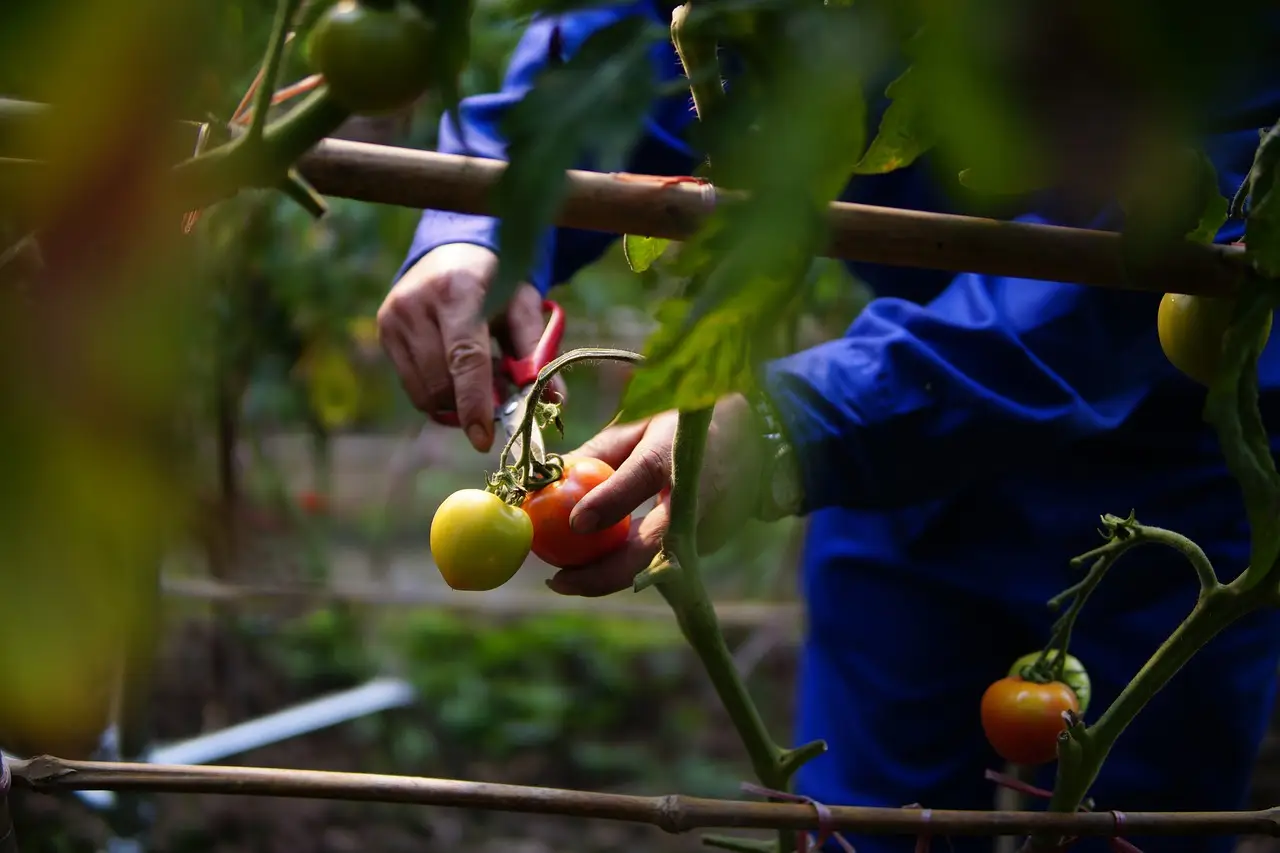
A tomato’s life is simple: it wants sun, water, and just the right amount of love. When it gets what it wants, the paste is glorious. When it doesn’t, well, that’s when supply chains get interesting.
The Perfect Year: A great tomato year features a warm, frost-free spring for planting, followed by consistently hot, sunny days and cooler nights during the growing and ripening season. This allows the fruit to develop high sugar content (high Brix) and that vibrant red color. Regular, but not excessive, irrigation (often via drip systems) is key. California’s Central Valley and the Po Valley in Italy are blessed with these conditions.
… The flip side. When the elements aren’t on the farmer’s side..
Drought & Heatwaves: Insufficient water stresses the plant, leading to smaller, lower-yield crops. Extreme heat can actually halt the ripening process and cause sunscald, ruining the fruit. The 2022 drought in Europe and California caused massive shortages and sent global prices soaring .
Floods & Excessive Rain: Too much water can lead to bland, watery tomatoes (low Brix) and makes them susceptible to fungal diseases and rot. In 2024, flooding in Northern Italy damaged a significant portion of the crop, impacting production . Turkish processors also grumbled about low Brix levels in their 2024 crop, meaning it took more tomatoes to make the same amount of paste, eating into their profits .
Frost: A late spring frost can wipe out young seedlings, forcing farmers to replant and shortening the growing season.
These environmental whims are the single biggest source of price volatility in the tomato paste market. It’s why we, Via Charon, watch the weather forecasts in Xinjiang (China), California, and Southern Europe as closely as we watch the financial news .
What to look out for when shipping Tomato Paste?
If the weather is the unpredictable dragon of the tomato trade, customs and regulations are the labyrinth you have to navigate to get your treasure. Get it wrong, and your shipment could be stuck in a port, accruing fees and turning a profit into a loss.
–Correctly designating your product :The Harmonized System (HS) code for concentrated tomato paste is primarily 2002.90. This code is the key to calculating duties and from that the landed rates or CIF rates; Cost, insurance freight. Via Charon is able to make these calculations for you, whilst cutting down the costs simultaneously.
– Anti-Dumping Duties: These are special tariffs imposed when a country believes an exporter is selling a product for less than it costs at home (or below the cost of production), unfairly undercutting local industries. China has often been the target of such investigations by the US and EU for various goods, and the tomato sector is always watching closely .
– Compliance is Key: It’s not just about paying the taxman. Importing countries have strict food safety regulations. Shipments may be subject to inspection for pesticide residues, heavy metals, and microbial contamination. For example, when exporting to China, you’re likely dealing with “AB” regulatory restrictions and “P.R/S” inspection and quarantine codes, meaning your goods need to be squeaky clean and properly declared . The paperwork—certificates of origin, phytosanitary certificates, and packing lists—must be perfect.
How do Tomatoes and Tomato paste fit in the supply chain?
Processing companies don’t just show up at harvest time with a truck and a checkbook. The relationship is much deeper. Companies like Tomato Jos in Nigeria work directly with farmers, often providing them with:
Seeds and Agronomic Support: They provide high-yield, disease-resistant seeds suited for processing.
Technical Training: They teach best practices for irrigation, fertilization, and pest control to maximize yield and quality .
Harvesting Contracts: They guarantee a price and a purchase date, giving the farmer a stable income and the incentive to invest in their crop. This “guaranteed market” is a lifeline for smallholders .
Logistics Coordination: In many cases, the processor organizes the harvesting and transport to ensure a steady, timely flow of fruit to the factory. This is critical because once tomatoes are ripe, the clock is ticking.
This vertical integration—reaching down from the factory into the field—is what ensures a stable supply of raw materials. It’s a partnership built on trust and the shared goal of turning a sun-drenched fruit into a global commodity.
Smooth Sailing with a Trusted Navigator: How Via Charon Can Help

So, you want to buy or sell tomato paste? You’re now armed with knowledge about Brix levels, you know that China is the volume king and Italy the quality queen, and you’re wary of monsoon seasons in Spain and tariffs in India. But how do you actually move a container of the stuff from point A to point B without losing your mind (and your profit margin)?
This is where a partner like Via Charon becomes indispensable. Navigating the realms of global trade is our specialty
Think of Via Charon as your logistics supercharger and compliance guardian. Here’s how our services, detailed on their website, directly apply to the tomato paste trade:
– Commodity Procurement and Assessing: Via Charon doesn’t just move boxes; they understand the product. Their partnerships begin “in the field of raw materials,” meaning they can help you secure supply right at the source. Whether you need a specific Brix level from a Portuguese co-op or the best price on bulk Chinese paste, their expertise in the early stages of production helps bring down costs and build a reliable supply chain.
– Shipping Streamlining and Free Trade Zone (FTZ) Strategy:Imagine being able to import a massive shipment of tomato paste, store it in a bonded facility, and only pay duties when you actually ship it to your customer. This is the magic of FTZs. Via Charon’s global access to ports, warehouses, and FTZs allows for flexible shipping strategies. You could label, repackage, or even mix paste from different origins in a zone, deferring or eliminating duties—a huge advantage for complex operations
– Document Processing & Customs Clearance: Remember all that talk about HS codes, anti-dumping duties, and inspection certificates? This is where deals can die. Via Charon accelerates the entire process. They can leverage tools like electronic Bills of Lading and automated export declarations to slash through the red tape, reduce costly errors, and ensure your tomato paste gets released from customs faster. No one wants a container of paste sitting on a dock in the hot sun.
– FX Preferential Rates & Exposure Insight: This is a big one. If you’re buying paste from Turkey (in Lira) or selling to Japan (in Yen), currency fluctuations can wipe out your profit overnight. Via Charon provides intelligence on global currency flows and central bank activity, giving you insights to predict movements and secure competitive, mid-market exchange rates. They help you manage that financial risk, so you can focus on the product.
In essence, Via Charon takes on the heavy lifting—the logistics, the documentation, the currency risk—so you can focus on growing your business. They are the experienced captains steering your cargo through the sometimes-choppy waters of international trade, ensuring your shipment of this precious, concentrated sunshine arrives safely, on time, and on budget.
So, the next time you squeeze that last bit of tomato paste from a tube, take a moment to appreciate the epic journey it has taken. From a farmer’s field, through a massive evaporator, across an ocean, and through the hands of logistics experts, all to make your dinner taste a little bit better. It’s a small can with a very, very big story.